

October 2026
Digital twins and virtual labs: Challenges and opportunities in Tuberculosis research
Project
Towards an integrated framework for the selection of biosourced construction materials in tropical african climates
Buildings in tropical African climates are increasingly exposed to high temperatures, humidity, and extreme climatic events, while material selection practices often remain poorly adapted to these conditions. Bio-based construction materials offer promising opportunities for sustainable and climate-resilient buildings, yet their selection is typically based on fragmented assessments that consider thermal, mechanical, or environmental performance in isolation. This project proposes an integrated scientific framework to support evidence-based selection of bio-based construction materials for tropical climates. Drawing on data extracted from the scientific literature and standards, the methodology combines thermo-physical and mechanical analyses implemented in scientific computing environments with multicriteria decision-making methods such as AHP and ELECTRE. Thermal comfort, structural performance, environmental impact, and contextual constraints are jointly considered within a unified

Project
Commissions, Capital and the Eye of History
This project makes an original theoretical contribution to legal sociology and political economy by reconceptualising commissions of inquiry as constitutive institutions of modern capitalism rather than ad hoc mechanisms of accountability. Drawing on a decade of empirical research centred on South Africa, the study develops the first materialist theory of public inquiries written from the global South. It demonstrates how commissions function as quasi-legal technologies through which capitalist states manage crises of legitimacy arising from labour conflict, state violence and breakdowns in accumulation. Moving beyond dominant approaches that assess commissions in terms of truth, justice, or efficacy, the project treats them as analytical lenses through which to understand the political economy of legality itself. By analysing commission archives longitudinally and comparatively—from early British factory commissions, through colonial inquiries, to post-apartheid South Africa—the resea

Podcast
November 2026
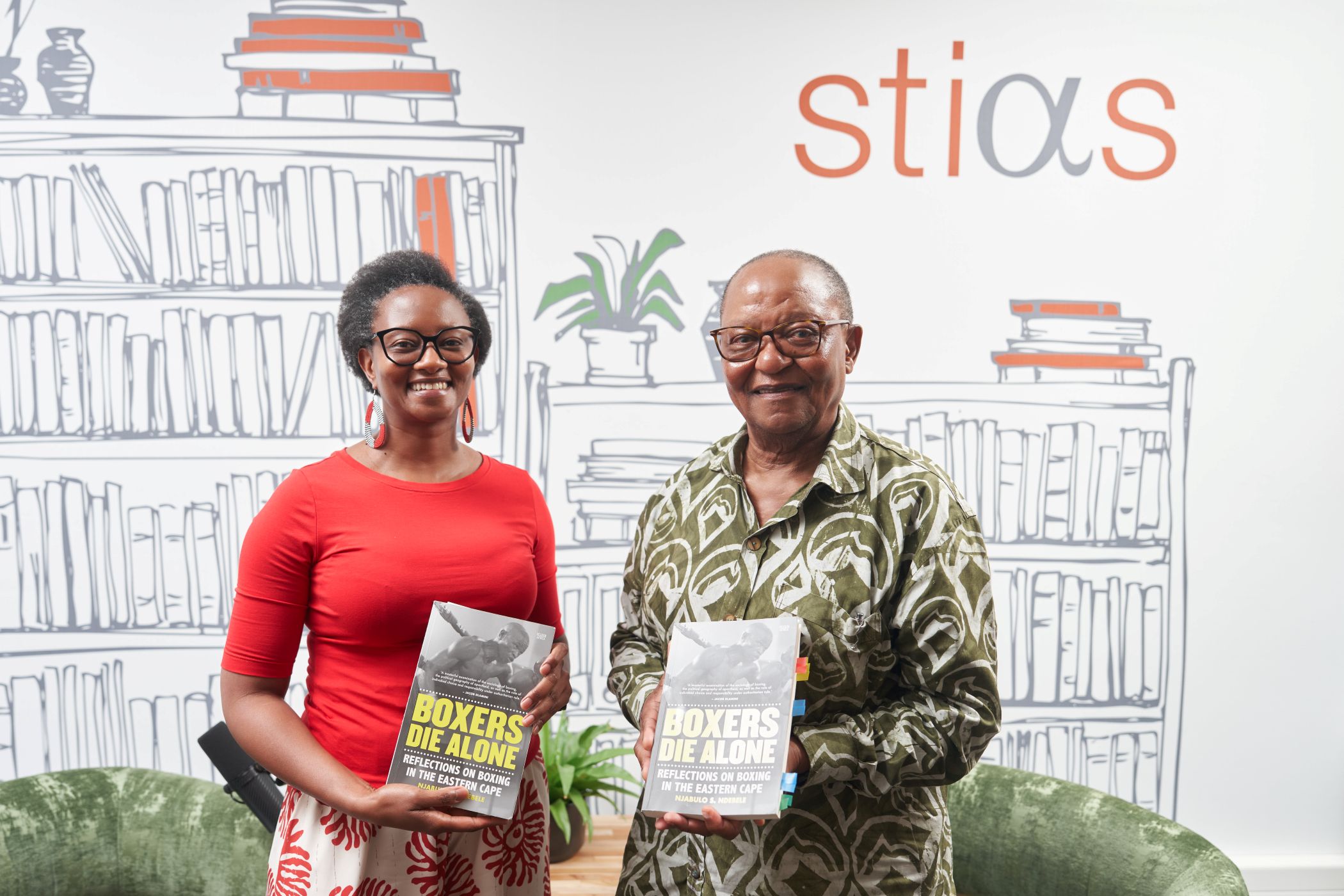
STIAS Conversations Episode 7 - Boxers Die Alone
Project
Bearing Witness to Forgotten Service: The Afterlife of Racialised Military Service
This project seeks to reposition Coloured identity through the lens of racialised military service, situating military participation as a central, yet underexamined site in which racial classification, state power, and identity intersect. It argues that the continued uncritical use of Apartheid-era racial categories in military history and memory reproduces epistemic violence and deepens psychosocial wounds. At present, the category Coloured functions less as a descriptive marker of cultural life and more as a residue of racial ordering that continues to shape access to recognition, veteran status, and dignity within post-Apartheid South Africa. This project seeks to develop a more nuanced understanding of Coloured military participation, one that recognises agency and sacrifice without reproducing narratives of complicity. This would allow space for historical repair, enabling Coloured soldiers and their descendants to reclaim military narratives that have been marginalised and silenc
Project
Uncertainty-Aware Artificial Intelligence for Business Decision-Making in Africa
Artificial Intelligence (AI) is increasingly embedded in business decision-making across African economies, shaping strategic choices in finance, energy, healthcare, logistics, and digital platforms. However, most AI systems adopted in business contexts are developed under assumptions of data stability, institutional predictability, and low structural uncertainty; conditions that rarely hold in African markets. This project investigates how different forms of uncertainty (statistical, structural, contextual, and institutional) interact with AI-driven business decision-making in Africa. It develops a conceptual and analytical framework for uncertainty-aware AI, integrating insights from statistics, machine learning, and business strategy. Rather than treating uncertainty as a technical nuisance to be eliminated, the project positions uncertainty as a central feature of African business environments that must be explicitly represented, interpreted, and managed. The research is theory-led

Publication
Fabrication of Superhydrophobic Yogurt Packaging Polymers via Hot Embossing
Inhensiko, D. E., Nakyinsige, K., Mukama, M., Gianneli, N.-A., Karathanasi, K., Giaouris, E., & Ellinas, K. (2026). Fabrication of Superhydrophobic Yogurt Packaging Polymers via Hot Embossing. Processes, 14(21), 3430.
Project
Computer Vision for African Penguin Population Monitoring
African Penguins are critically endangered, with fewer than 20,000 breeding pairs remaining compared to historical estimates exceeding one million. Effective conservation requires continuous population monitoring, but traditional methods are labour-intensive and cannot scale to meet current needs. This project develops practical artificial intelligence tools that enable automated monitoring of penguin populations using camera imagery. The core innovation addresses a fundamental problem: training AI models typically requires thousands of manually annotated images, which is prohibitively expensive for most conservation programmes. My research demonstrates that intelligent data selection combined with semi-automated annotation can reduce this requirement by over 40% while actually improving model accuracy. I will refine these methods, validate them across multiple monitoring sites, and deploy working systems with South African National Parks. This work establishes foundations for broader

Project
Reconceptualizing Quarry Stone Fines as Strategic Secondary Resources for Low-Carbon Concrete Infrastructure in Africa: A Circular Economy Systems Approach
The rapid expansion of infrastructure across Africa has intensified the extraction of natural aggregates while simultaneously generating large volumes of quarry stone fines that are commonly treated as waste. This dual challenge reflects a broader structural inefficiency within construction material systems, where valuable secondary resources remain underutilized. Grounded in circular economy principles, this research programme seeks to reconceptualize quarry stone flours not merely as aggregate substitutes, but as strategic secondary resources capable of supporting low-carbon, resource-efficient concrete infrastructure in African contexts. The programme integrates materials science, civil engineering, and sustainability systems thinking to develop a coherent framework for the responsible upcycling of stone flours in concrete production. Experimental investigations on the physical, fresh-state, mechanical, and microstructural performance of stone flour-based concretes will be conducted
Publication
Towards Model as a Library: Offline, Community-Sourced AI for Low-Resource African Languages
Fendji, K. E. Jean Louis. 2026. Towards Model as a Library: Offline, Community-Sourced AI for Low-Resource African Languages.

Project
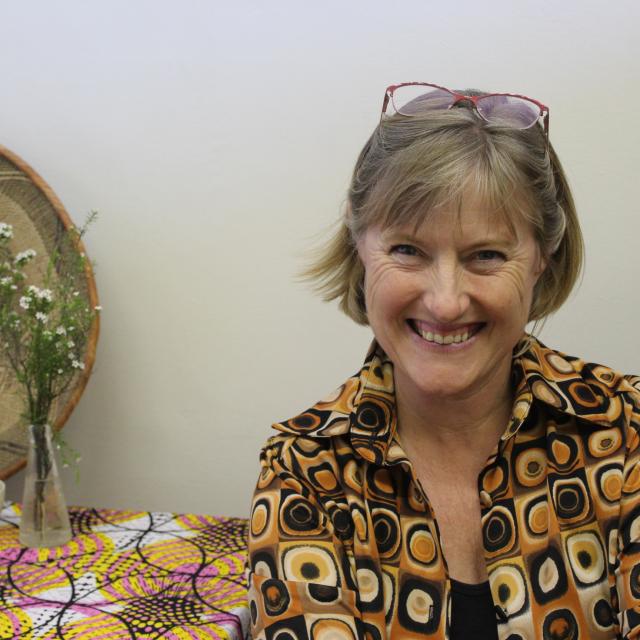
Bio/Psycho/Social: Toward a southern African anthropological theory of life and life-giving
The project Bio/Psycho/Social builds on my work in the broad field of reproduction studies, framed in terms of “the First Thousand Days of Life”. It aims to investigate the conceptual apparatus concerned with ‘life’ – as inheritance, illness, population and care. Postgenomic science requires a concept of the social that is adequate to the task of representing lifeworlds beyond the reductionist frame of ‘social determinants of health’. We need a theory of the social that can do justice to worlding’s complex and lively processes, one that draws from local conceptions of what it means to be human and in relation with others, especially as those others are child-bearing persons and infants. It is critical that our theorising takes proper account of African epistemologies and lifeways. By interrogating 'biopsychosocial' as an oft-used concept that brings different domains into relation in the interests of human well-being, I will address the adequacy of our conceptual frameworks. The work w
Project
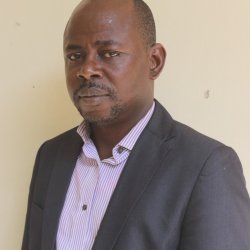
Living with Disease: Rethinking Endemicity and the Mathematics of “Permanent Epidemics” in African Contexts
Global infectious disease research is largely structured around the logic of outbreaks: sudden events that demand rapid control, elimination, and return to “normal.” Yet in much of Africa, including Nigeria, many infectious diseases—such as malaria, Lassa fever, and cholera—are not exceptional events but enduring features of social, ecological, and economic life. This project proposes a conceptual and mathematical rethinking of infectious disease dynamics by shifting the focus from outbreaks to endemicity, understood as a condition of long-term co-existence rather than a temporary crisis. Using mathematical modelling as a central analytical tool, the project will examine how standard epidemiological frameworks implicitly assume stability, compliance, and institutional capacity that often do not hold in contexts of structural inequality. It will develop alternative modelling perspectives that better capture chronic instability, seasonal resurgence, multi-pathogen environments, and adapt
Project
From Lungs to Mind: Developing a Multi-Omics and 3PM Framework for Respiratory Infections and Neurodegenerative Risk in Africa
This interdisciplinary project seeks to bridge microbiology, virology, neuroscience, and artificial intelligence to investigate how respiratory infections; particularly RSV and emerging viruses, impact long-term brain health through the lung-brain axis. In Africa, where respiratory illnesses are prevalent and neurodegenerative disorders are under-studied, this research aims to develop a Predictive, Preventive, Personalized Medicine (3PM) framework using multi-omics data (microbiome, metabolome, genomics) and machine learning. The project will: Profile lung and gut microbiota changes post-infection in African cohorts. Identify biomarkers linking respiratory pathogens to neuroinflammation and cognitive decline. Build a predictive AI model for neurodegenerative risk stratification. Propose low-cost, culturally adapted preventive strategies for at-risk populations. By integrating wet-lab research, data science, and community health engagement, this work will pioneer a translational, interd

Project
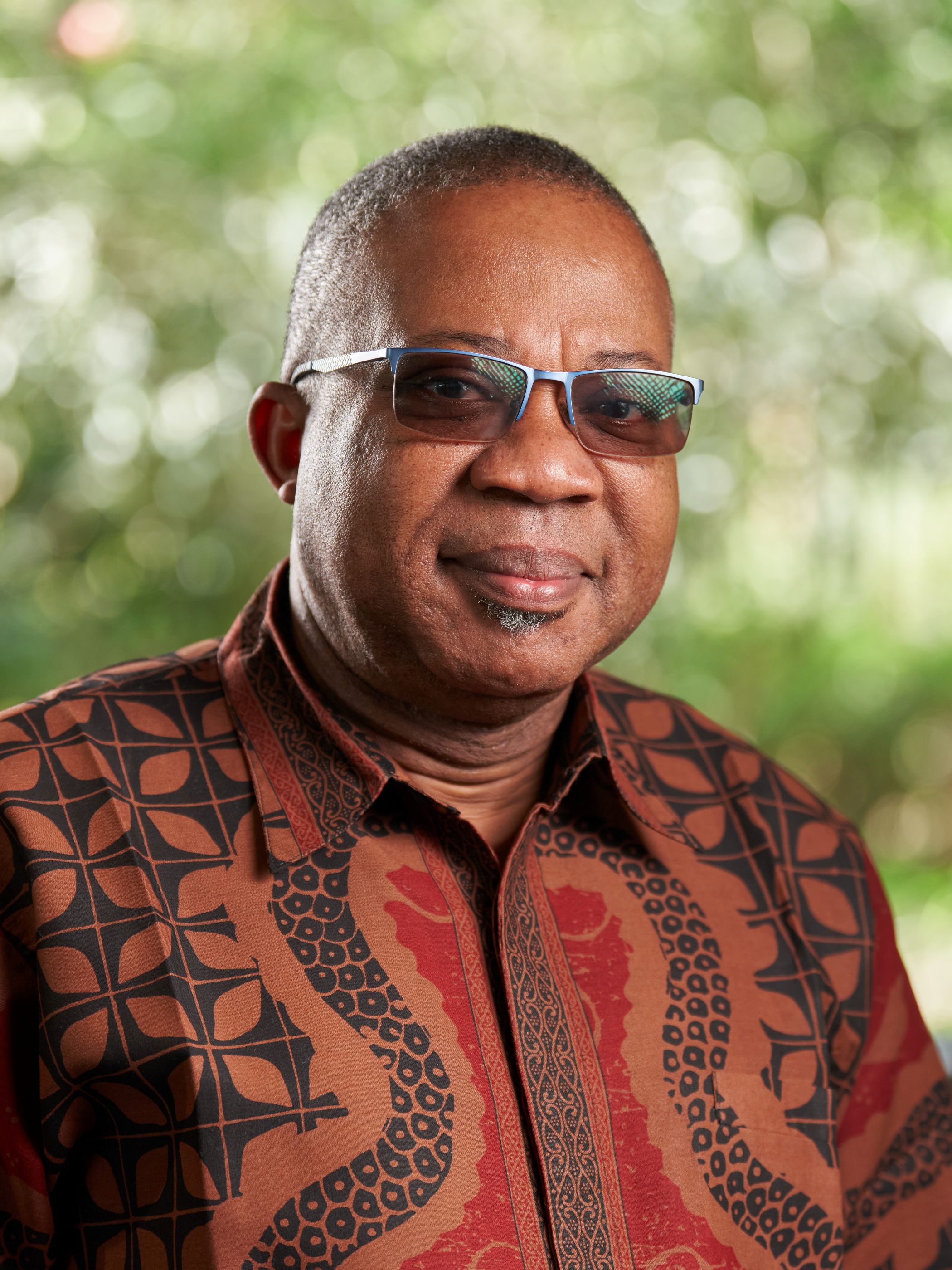
The Epistemology of Resilience: Integrating Indigenous and Scientific Knowledge for Climate-Adapted African Livestock Systems
African livestock farmers have developed sophisticated knowledge systems for breeding climate-resilient animals over generations, observing behavioural patterns and survival across droughts and heat waves. Meanwhile, molecular scientists measure resilience through laboratory tests of animal genes and stress responses. Climate policymakers use yet another approach, relying on population-scale models and vulnerability indices. Each produces valuable insights, but these knowledge systems rarely communicate with each other. This project asks: what if we stopped trying to translate between these different ways of knowing and instead created frameworks that allow them to coexist as equals? Through intensive fieldwork with Nigerian pastoralists and molecular analysis, this project will develop a poly-epistemic framework that treats indigenous breeding knowledge and Western science as complementary partners rather than competitors. The goal is not just theoretical but a means of creating pract

October 2026
Food for thought!
Project
The Conflicting Integration of African Businesses in Global Flow
In the global flow of people, technology, and commerce, African businesses face a conflicting position of integration. On one hand, entrepreneurs are leveraging available digital tools to reach a global audience and participate in transnational trade. On the other hand, some countries are banned from using popular international payment platforms, and there are ongoing issues with ineffective shipping systems that connect Africa, and Africa to other parts of the world. This study aims to examine, from the national to the business level, the frameworks, policies, and strategies that governments and entrepreneurs adopt to support small-scale business internationalisation through digital technologies. Using a qualitative method, with a phenomenological approach, I will study the fashion industries in Nigeria and Ghana. This research will explore how businesses from these two countries are accessing global markets through digital technologies. The study will probe questions about state-leve

Project
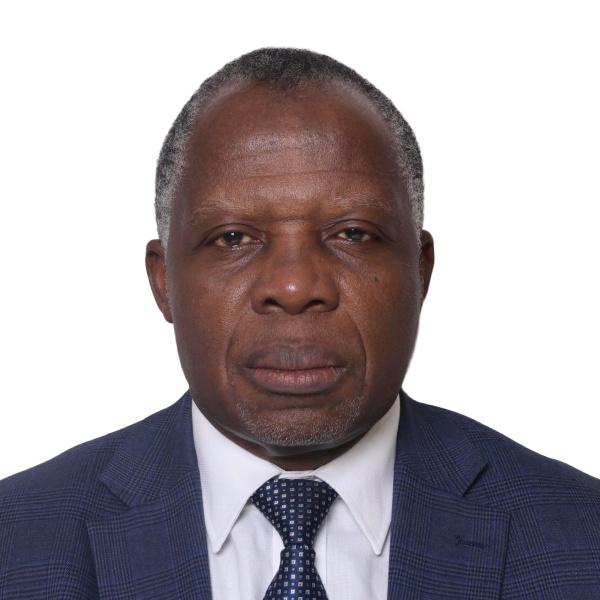
Cardiometabolic Disease (CMD) in Sub-Saharan Africa: Tackling Mechanisms, Care Models and Policy Gaps
Non-communicable diseases, particularly cardiometabolic diseases (CMDs) such as cardiovascular disease and diabetes, are becoming increasingly prevalent in Sub Saharan Africa (SSA) and have emerged as one of the region’s main causes of mortality. Despite this growing burden, SSA is characterised by a severe dearth of well researched context-specific mechanistic data, underdeveloped care provision infrastructure, and highly fragmented health policies. The current understanding of CMDs employed within the population in SSA, including pathophysiology, risk stratification, and treatment algorithms, is vastly derived from populations of European ancestry, limiting both the accuracy of risk prediction and the appropriateness of applied clinical interventions for SSA populations who exhibit distinct biological and phenotypic profiles. This proposal seeks to build directly on recently published foundational arguments from the Africa-Europe Cluster of Research Excellence collaborative and the A

Podcast
September 2026
STIAS Conversations Episode 6 - Traumatic intimacies
Project
Bad Mothers: Gender and Modernism in 20th-Century Indian Literature
My project considers the experimental, partial, and sidelong representation of mothers in 20th-century Indian women’s literature. Hemmed in by idealized images of motherhood in the culture at large, these writers used alternative representations of mothers – what I call “bad” mothers – as a way of rethinking the family in relation to Indian modernity. I argue that the literature of maternal deviance advances new representational practices that use the malleability of language and innovations in form to imagine motherhood anew. They tell us something about what a feminist modernity might look like in the absence of a widely accepted language of feminism, and they convey the centrality of the family to modernity, beyond the politics of feminist empowerment. In this way they demonstrate the creative process of imagining modernity, a term which has often been written off as imitative, elite, male, and Brahminical. I argue that these authors use bad mothers to imagine a vernacular, postcolo
Project
“Killing Improves Ranking”: Gang Life of Secret Cult Artisans in Lagos, Nigeria
This project investigates what motivates artisans (motor park touts, scavengers, street hawkers) working in the informal economy of Lagos state, Nigeria to join secret cults gangs. It unpacks how the gang life of artisanal cult members helps to understand the character of youth deviance and criminality in contemporary Africa. While cult gangs were formed and based in tertiary institutions, they have now expanded into artisanal street-based youth groups with demonstrable lethality that accounted for 1,286 deaths between 2020 and 2025. Of these, the South-South geopolitical zone recorded 750 deaths, followed by 491 fatalities in the South-West , with Lagos (dominated by rival cult gangs such as Aiye (Neo Black Movement), Eiye (Airlords), and Buccaneer) recording the second-highest number of fatalities in the country. Using an exploratory design, the study relies on in-depth interviews with artisanal street secret cult gang members, as well as confessional statements from arrested members

Publication
Blot
The directorship of the Bureau of Dead Letters is changing, and not everyone is happy about it... especially the outgoing Director. Despite promising first impressions, the country’s new chief censor has been acting strangely. Is he too unstable to be trusted with the nation’s most sensitive materials? What is the new Director’s private, puzzling agenda?

Project
Pluriversal AI Futures: Computational Empowerment for Sustainable Alternatives
How can we imagine and design computational practices for sustainable pluriversal AI futures that enable diversity of voices, knowledges and epistemologies? Contemporary polycrises urgently call for technological alternatives to drive sustainable transitions that engage diverse local communities and knowledge systems. While discourses in Human-Computer Interaction (HCI) call for responsible, ethical AI, these agendas are driven by Western values and hegemonic frameworks that do not align with marginal voices, lifeworlds and Global South epistemologies. The project develops a theoretical framework for Pluriversal AI Futures based in comparative research across local sites and communities in Namibia, South Africa and Denmark. Building on transdisciplinary approaches across anthropology and technology research, the project advances pluriversality in computational practices towards equitable and sustainable AI futures based on situated everyday practices in pluralistic society.

Project
“So, Where Did the Bantu Go?” A history of interdisciplinarity in African Studies, 1850-2025
For more than a century and a half, the concept of "Bantu" — coined by Wilhelm Bleek to designate a family of languages across sub-Saharan Africa — has become one of the most collectively sustained narratives in African Studies. Historical linguistics, archaeology, and population genetics have successively constructed, borrowed from, and reinforced one another around this concept, in an interdisciplinary dialogue that Jan Vansina described as early as 1978 as a "dialogue of the deaf." This project proposes an intellectual history of that circularity. The aim is not to settle the empirical question of Bantu origins, but to understand how disciplines have produced an illusion of convergence by sharing a common formal model — the genealogical tree — without ever examining its foundations. The project traces this trajectory in four stages: the philological origins of the concept, its appropriation by programmed archaeology, its extension into contemporary genomics, and its political uses,
Publication
The Structure of Scientific Recantations: Cormac McCarthy and the Literary Tradition of Scientific Regret
De Villiers, R. 2026. The Structure of Scientific Recantations: Cormac McCarthy and the Literary Tradition of Scientific Regret. New Literary History, 57(2), 293–317.