

Human struggles for identity, recognition, access, power, social control and political change typically have a linguistic face. Accordingly, language often serves as a fulcrum of social conflict. Contested questions may concern what the proper form of language is, or who the legitimate users of a language are. Decisions regarding what counts as a language or ‘merely’ a dialect, who gets to decide that, and on what grounds, may be politically significant and highly divisive. Conflict may also arise as to which and whose languages are to be preserved, protected and developed, and which not.
In sociolinguistics such issues may be explicitly addressed. Even when they are not, they are still embedded in the context of many empirical research projects. Consequently, scholarly research and community engagement are closely interwoven, as researchers enter highly charged political contexts. How do they navigate tensions between social and political aims and commitments, on the one hand, and the aspiration to produce narratives and analyses with enduring scholarly legitimacy, on the other?
These are the questions facing a group of scholars who are part of a long-term collaboration and book project looking at the intersections between language politics and social justice.
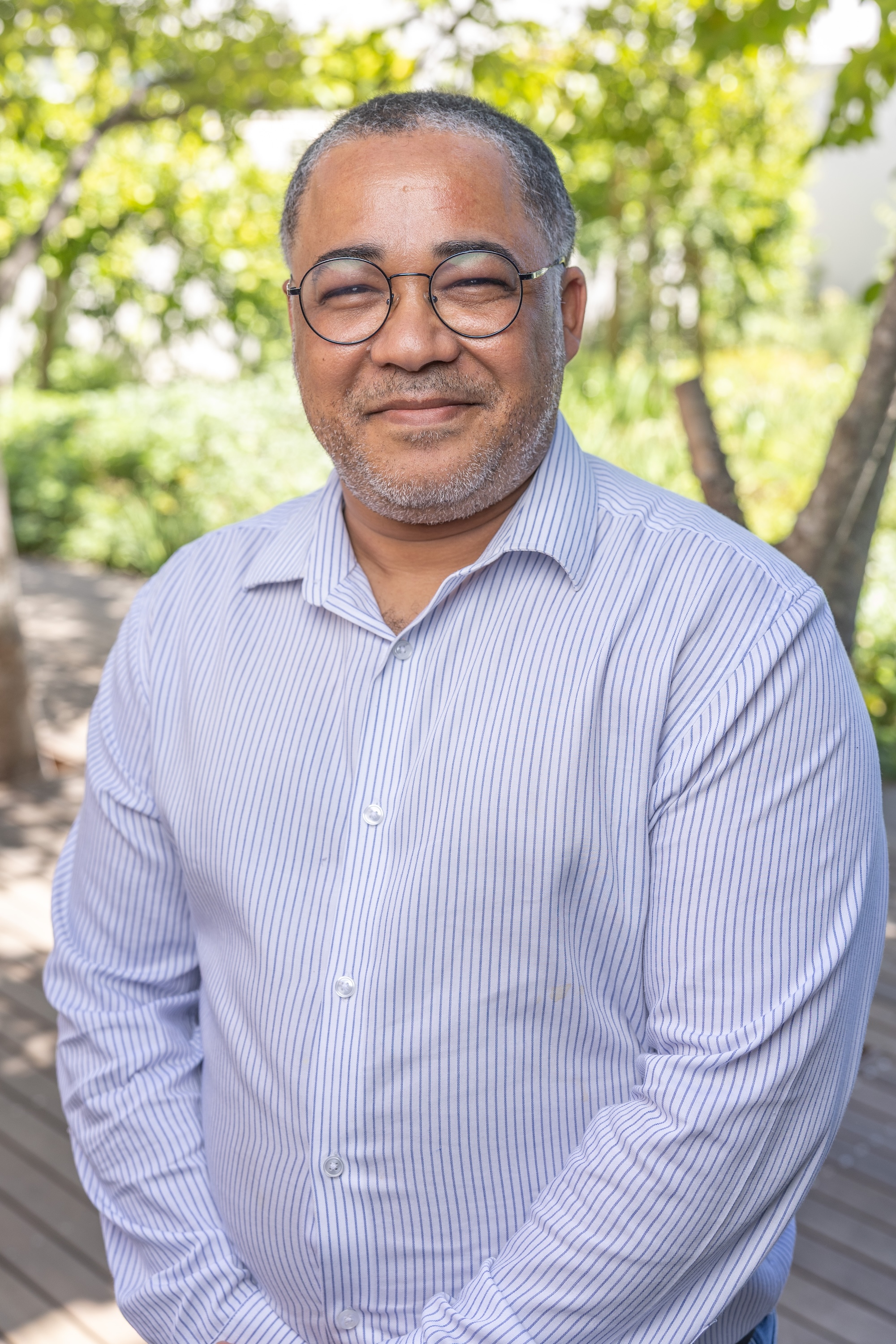
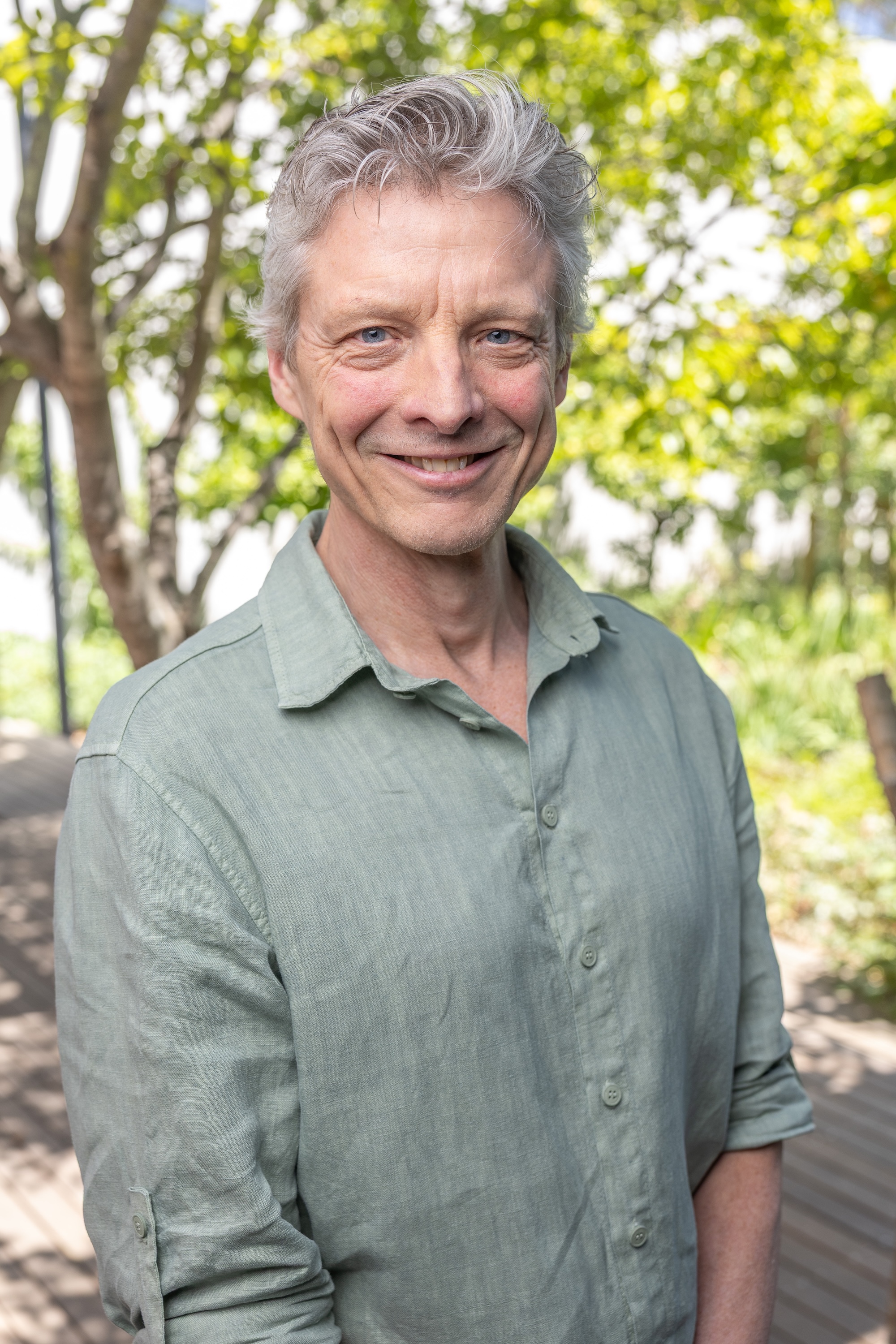
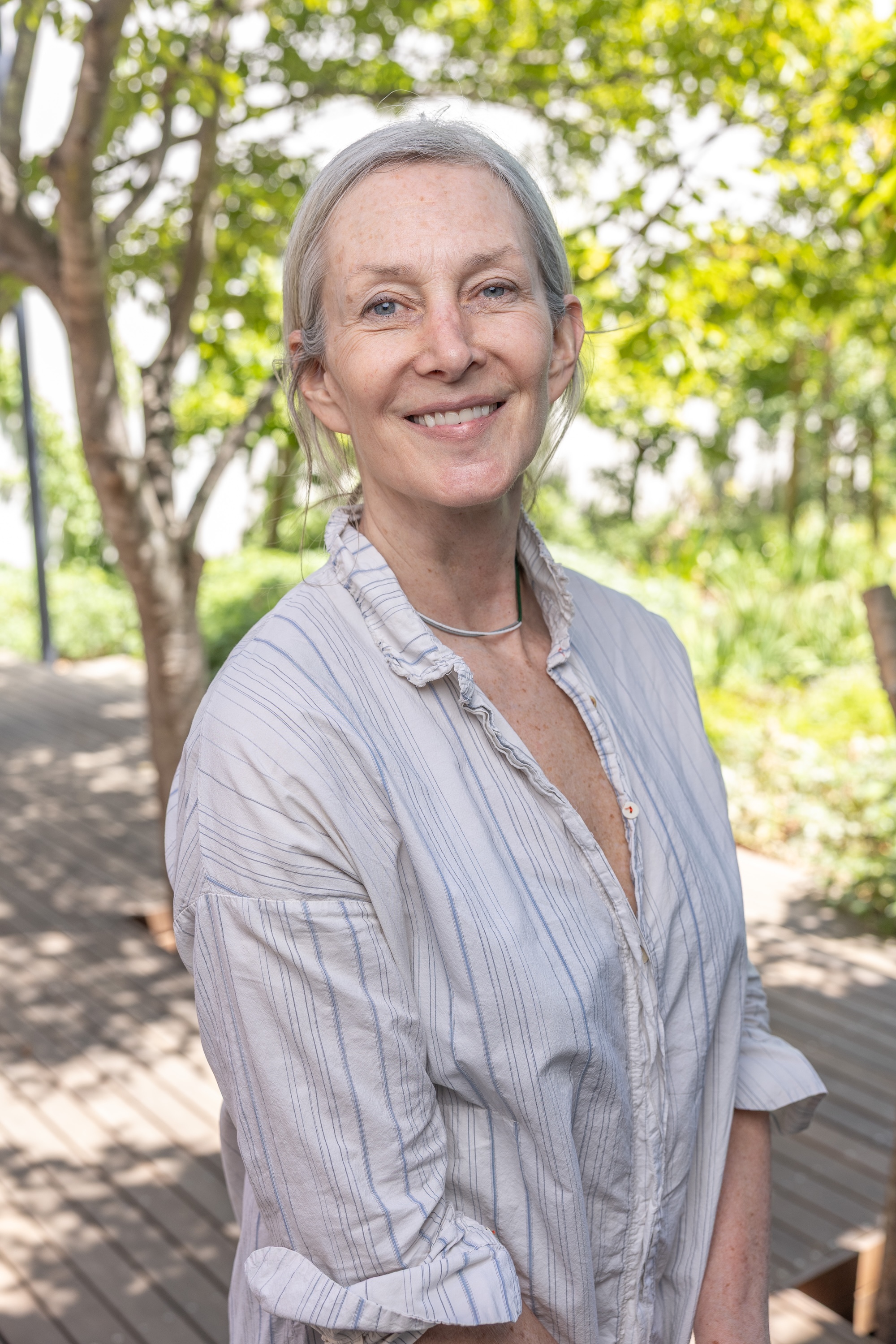
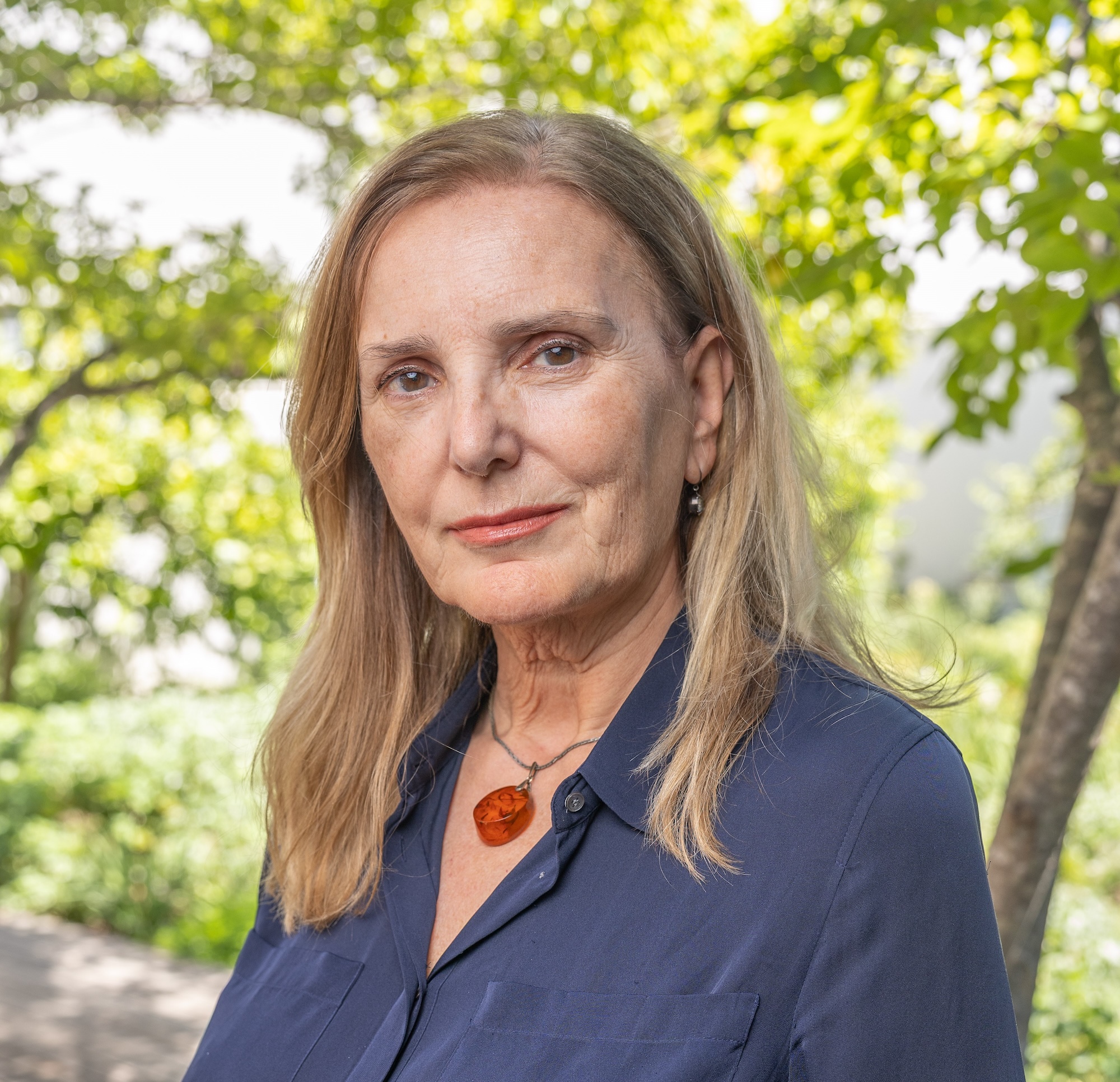
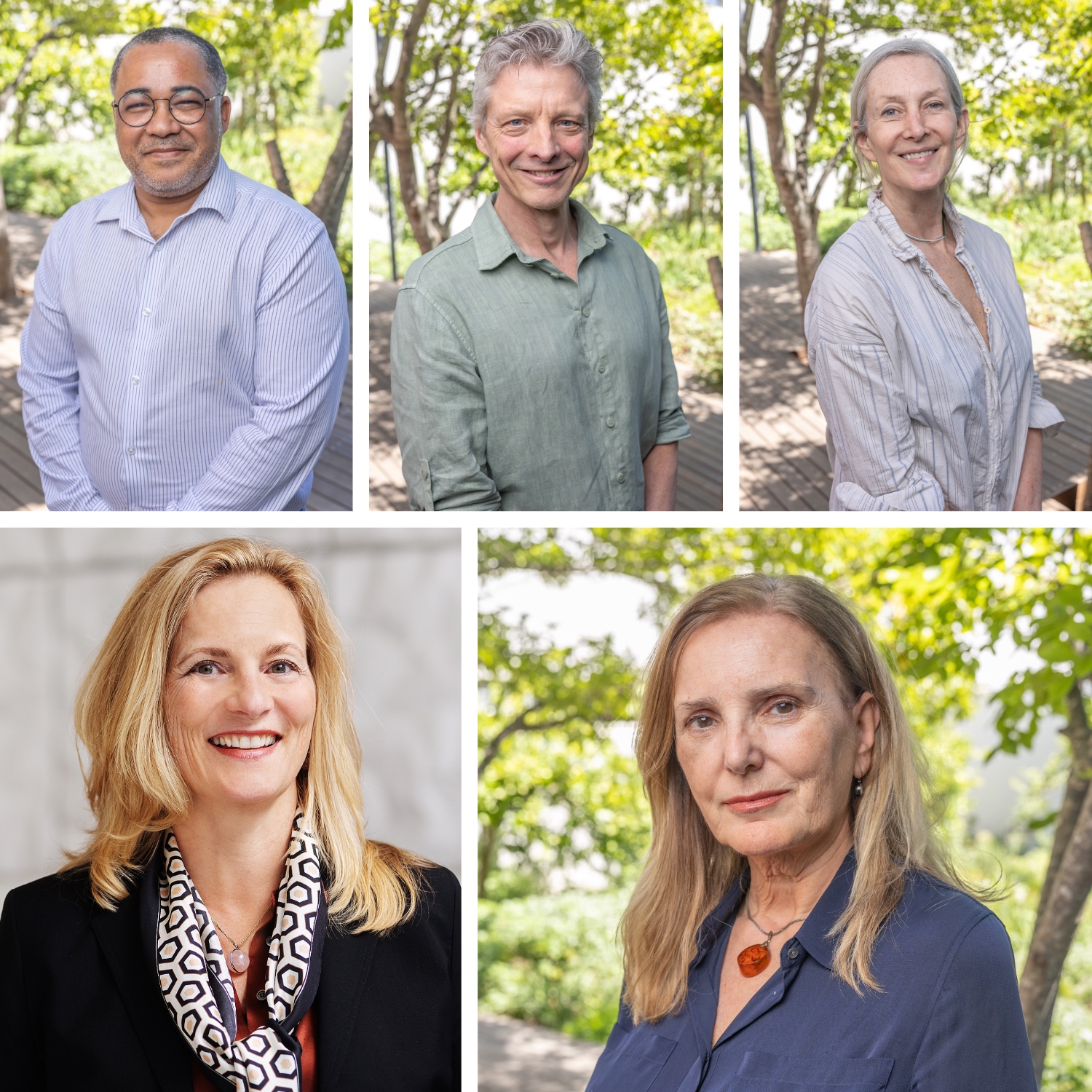
The group comprises Cecelia Cutler of the Linguistics Program at The Graduate Center, City University of New York; Bjørn Torgrim Ramberg of the Department of Philosophy, Classics, History of Art and Ideas, University of Oslo; Unn Røyneland of the Department of Linguistics and Scandinavian Studies, University of Oslo; Zvjezdana Vrzić of the Department of Linguistics, New York University; and, Quentin Williams of the Centre for Multilingualism and Diversities Research, University of the Western Cape.
“Our aim is to contribute to a notion of scholarly integrity that is suitable for disciplines in which pursuit of knowledge is constrained by the pursuit of justice,” said Bjørn Torgrim Ramberg. “We all desire to use scholarship in the struggle for social and political justice.”
“The social aspects of linguistic behaviour include struggles for identity, recognition, access, power, social control, and political change. These typically have a linguistic face,” he continued. “The scholarship of linguistic social behaviour must situate itself with respect to clashing human practices and self-understandings where questions of language and languagehood play a central role. It’s a landscape of conflicting interests, of justice and injustice, of vulnerabilities and power asymmetries.”
The group presented four cases (from South Africa, Croatia, the United States, and Norway) to illustrate the challenges and tensions of socially engaged scholarship; the relationship of the linguistic scholar to communities and broader political contexts; and, the challenges of competing narratives versus neutrality.
Language determination
Cecelia Cutler highlighted the challenges and crises experienced in attempting to theorise African American Language. “It highlights some whys and hows of languagehood as well as the impact of a large body of consequential sociolinguistic research which was initially to displace the scientific narrative.”
As Cutler indicated, the struggle has emphasised questions around what is considered language, who decides and what role linguists play in tackling injustice. “Lack of trust led to periodic moral crises such as the so-called 1996 Ebonics Crisis in which many claimed AAL wasn’t English leading to backlash citing such claims as racist, patronising and disgraceful.”
“AAL possesses all the features of a language, yet the scepticism among African Americans is not fully dispelled,” she said, adding that many distrust the motives of linguists and other academics to classify AAL as a language as misguided and harmful.
“Most linguists see language as a structural system with rules and accepted patterns. We must fully understand the links between language and social identity. We need to bring community members into research. It’s not up to linguists. Language is a social thing. We must unpack who it serves to classify something as a language.”
Shaping language
Unn Røyneland outlined the language-reform policies in Norway aimed at managing the two official languages − Bokmål and Nynorsk.
“Traditional language planning was top-down, male, with epistemic authority more important than democratic participation,” she said. “It’s different today − stakeholders come from different parts of society including people who use the language and activists.”
Bokmål and Nynorsk had equal status from 1885 with several reforms between 1901 and 2005, however, Nynorsk is clearly the minority language. Since early on, all pupils – with some well-defined exceptions – have been required to learn both but choose one as their main language. Today only 13% of the pupils have Nynorsk as their main language and there is an ongoing language shift to Bokmål. Røyneland explained that in 2000 expert committees of the Norwegian Language Council worked on comprehensive reforms to both languages
“Some of this was an attempt to reduction variation since both languages had multiple variants of the same words. “Variation was seen as a problem but is it the real problem?” asked Røyneland.
The Ministry of Culture accepted the changes to Bokmål but not Nynorsk and pointed to a lack of connection to the community. A new committee was therefore appointed to increase legitimacy. This included not only linguistics competence but also stakeholders from different parts of society. The mandate was to have an open, inclusive process – and this was done by using webpages, blogs, and public meetings and hearings. As a result, the proposal was accepted by the Ministry and implemented in 2012.
“But many still felt that the voices of big stakeholder groups were prioritised over individuals and stressed the pointlessness of giving opinions if these are not taken,” she said. “So how do you know that true deliberation has taken place? How do you ensure legitimacy in decision making when there is still conflict? Also, was the reduction in alternatives actually helpful? And will it stop people from giving up on learning the language?”
“The process pointed to deeper social problems not solved by language reform.”
Protecting a language
Zvjezdana Vrzić highlighted her work on the Istro-Romanian language − spoken in the Istrian peninsula in Croatia and regarded as severely endangered due to the small number of speakers.
“The region has been multi-ethnic and multilingual throughout history,” explained Vrzić, ‘However, even the name is controversial and not used by speakers because it implies an identity (Romanian) which they do not embrace and have never affiliated with. In contrast, outsiders refer to speakers as Romanians. Most Romanian linguists regard the whole family of languages as Romanian languages or historical dialects. This misunderstanding and contestation has had serious political consequences. Even Romanian law defines these communities as Romanians abroad and disregards people’s own identity choices.”
She explained that even though the language is protected by the European Charter for Regional and Minority Languages, the community has been denied direct financial support for its preservation because they do not identify as members of a national minority, a Croatian prerequisite for the distribution of such funds. “There is lots of disrespect and contestation as well as political pressure for the community to accept the status of a Romanian national minority.”
Despite her family links, Vrzić discussed her concerns about representing the community that had previously experienced identity appropriation and politicization as well as her efforts to advance and promote community’s own interpretations of it. She pointed to lessons learnt: “Scholars and linguists do not own languages or decide identities; a lack of epistemic reflexivity harms the community and scholarly integrity; and, scholarly ideologies can negatively affect the future of the language and community.”
Becoming a language
Turning to South African, Quentin Williams pointed to challenges in the scholarship, historical narratives and politics of reconstructing Kaaps spoken by a large majority of bilingual and multilingual speakers and communities living on the Cape Flats and suburbs in the Western Cape.
He asked: “Is it a variety, an idiolect (the dialect of an individual person at one time), isolect (a language unit given special status between a language and dialect/variety) or a language? It’s often been depicted by Vernacular Afrikaans Colloquial Afrikaans, and the more racist label Kaapse Afrikaans.”
He also emphasised that the community who uses Kaaps themselves recognise the dangers of standardisation and conservative Kaaps linguists have anguished: “Which sub-variety of Kaaps would be selected for standardisation and will the writing system be standardised?”
“There is now a dictionary and an established community of linguists, activists and scientists to raise the status of Kaaps and work towards sociolinguistic justice.”
Williams explained that Kaaps is an African language formed from a slave lingua franca and first used among the indentured indigenous and enslaved populations in the Cape.
“The sound system, word formation, syntactic structure and meaning making was historically formed through the use of Cape Dutch mixed with phonological-lexical variations of Arabic, creole Portuguese, Bahasa-Malay and Khoi and San languages, which was later influenced by English and marginalised by standard Afrikaans as a result of colonial and apartheid nationalism policies.”
Kaaps, he further said, is “rule governed. People use it to pray, express ideas and experiences, as well as to describe their world, places and spaces. We want to raise the status and prestige, and have it taught in schools.” But he pointed out that criticism and hostility in linguistic clubs and certain groups in South Africa still runs deep.
In summary, Ramberg noted the lessons learnt from these studies.
“We have learnt that emotions must be activated not put aside; there needs to be value-driven interactions with communities; sociolinguists should not claim ownership; languages have dynamic lives that determine their use and function; we need to ask what the underpinnings are of scholarly authority and integrity; we need to bring back subjectivity in how we think about scholarship; we must construct goals with an eye to who is being excluded; common ground is a goal not an assumption; we need a joint search for responsive revision; and, there’s a need to practice hermeneutic permeability – understanding it is never finished and there must be openness to alternative competencies and forms of knowledge.”
“Scholarship will figure in the overarching narrative, but scholars may not control this,” he added. “Epistemology with subjectivity and justice is the aim.”
Asked about the line between scholarship and activism provoked passionate responses from the group:
“I realised I couldn’t keep a façade of just being an objective researcher. I could not remain neutral,” said Vrzić. “I’m still not sure I think about myself as an activist but I changed things/activated something, and positive things happened as a result.”
“Objective neutrality in our field is an illusion,” added Røyneland. “The book is about the vision of linguistic activism. There is no one definition.”
“Activism is unavoidable,” said Williams. “The community demands that you do the work. I also come from Bishop Lavis, so I’m seen as part of the community narrative. I understand the struggle. I’ve been claimed by the community, now I must do more.”