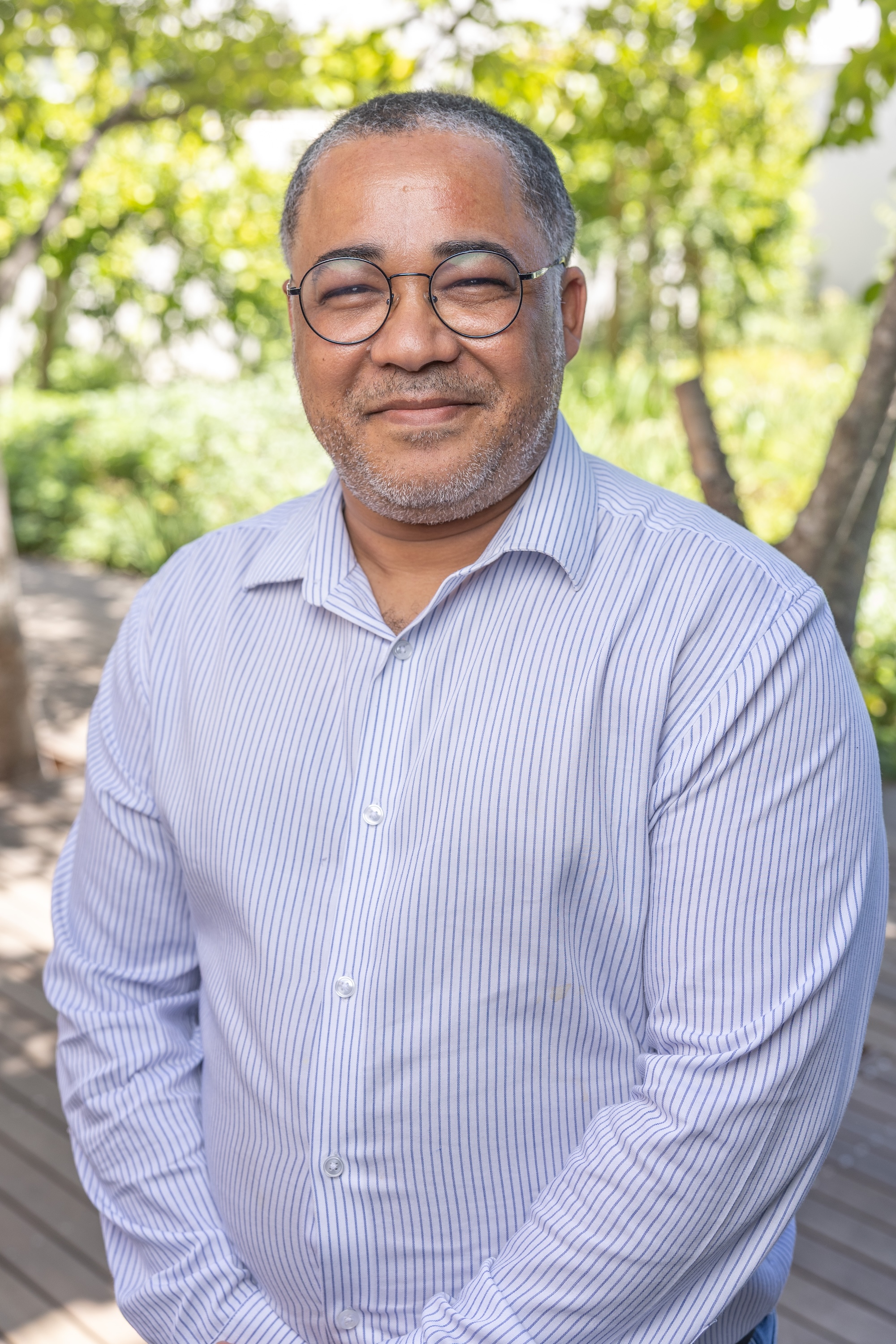




Our project joins sociolinguistics, philosophy of science, and research ethics in an extensive and close collaboration to explore the conditions of integrity in politically engaged scholarship. The framework of integrity retains a commitment to the idea of scholarly openness and independence, but rests on a notion of integrity that is not dependent on problematic notions of objectivity, neutrality and universality. Sociolinguistics has a long history of engagement with struggles for recognition of minoritized groups and of scholarship oriented by considerations of social justice, both at a local and global scale, and in empirical fieldwork as well as in theory development. At the same time, the potential of research to play a significant and constructive role in struggles for justice at any scale depends on the integrity of the scholarly standards deployed and the methods applied. We plan to co-author a monograph that links specific challenges of activist research programs with ongoing debates about the nature of legitimacy and authority in science. Our aim is to articulate a perspective on scholarly integrity with practical application and guiding force for researchers on the ground working in contested political contexts.
2026
Related to this project
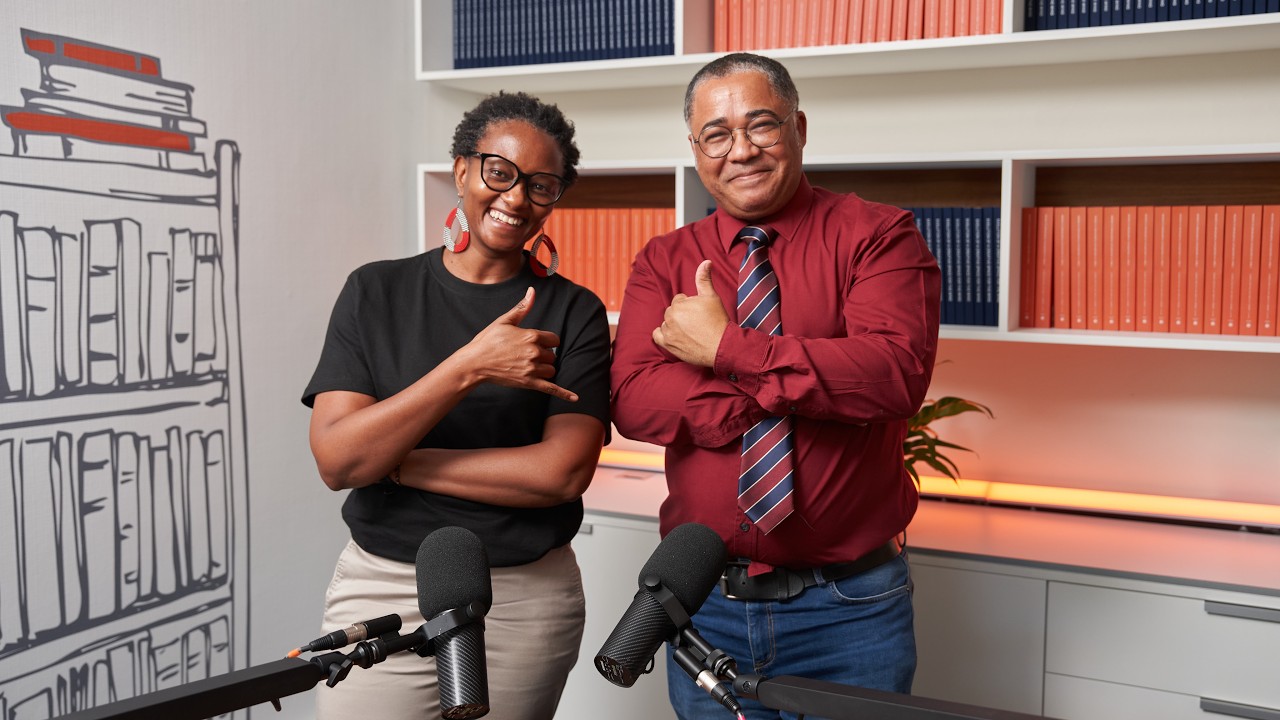
podcast episode
STIAS Conversations Episode 1 - Multilingualism and the Kaaps Dictionary
In this first episode, we discuss the significance of multilingualism in a democratic society before focusing on a pivotal moment, which is the introduction of a new reference resource for one of the oldest languages in South Africa.
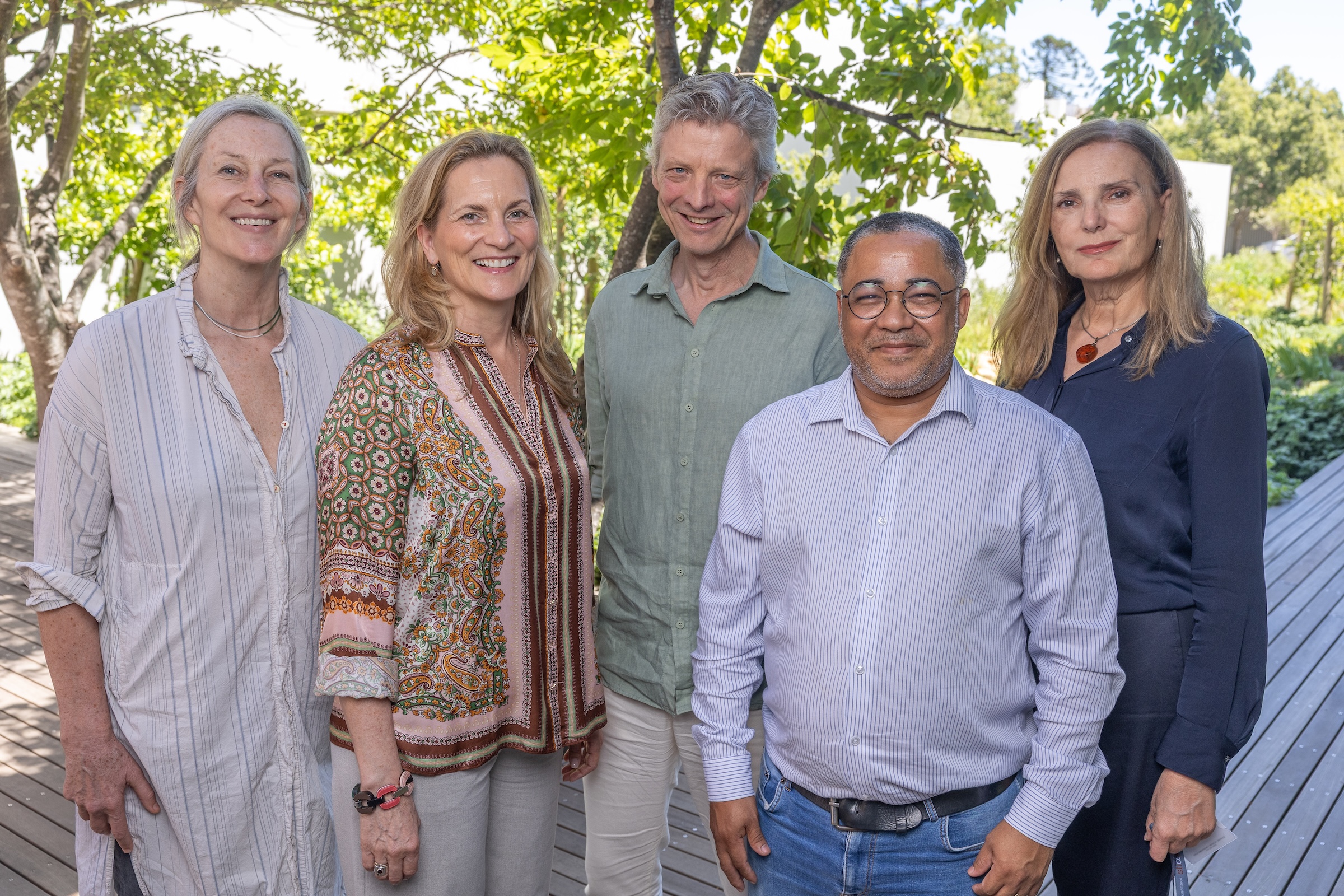
public lecture / seminar
Epistemic integrity and political values in language scholarship
Human struggles for identity, recognition, access, power, social control and political change typically have a linguistic face.
event
Epistemic Integrity and Political Values
In this workshop we will have an open, exploratory discussion among language scholars about the conditions of scientific integrity in scholarly work committed to social justice.