
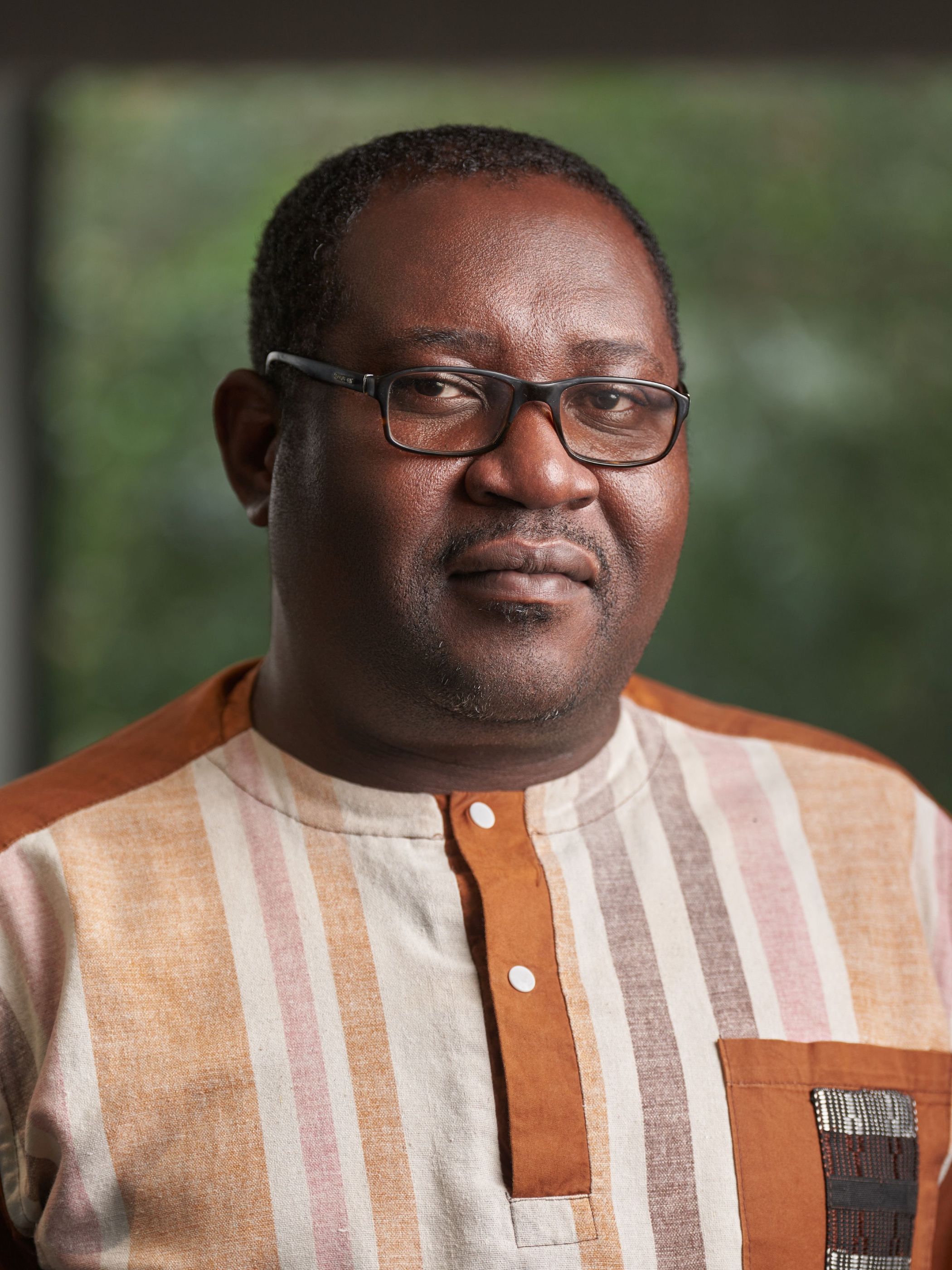
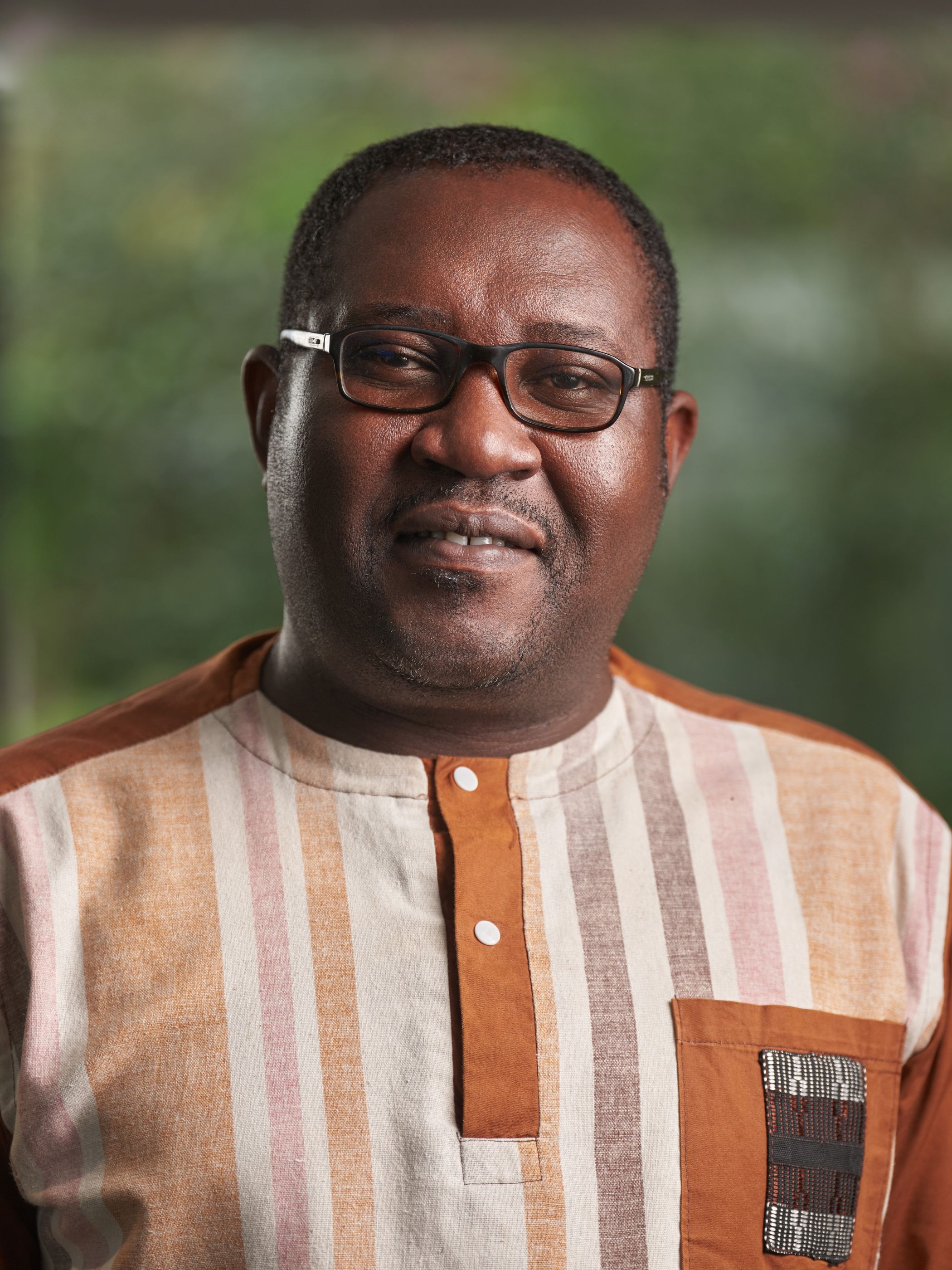
Preliminary results from a study on the effectiveness of solar radiation management (SRM) methods by Iso Lomso fellow Thierry Fotso-Nguemo show that Stratospheric Aerosol Injection deployment reduces the spatial extent of high heat-risk conditions but does not eliminate the expansion of the heat category.
Solar radiation management is a set of geoengineering techniques designed to reflect a fraction of sunlight away from the Earth to cool the planet and mitigate global warming. It includes methods such as Global Solar Dimming (GSD), which uses reflective materials to deflect sunlight before it reaches Earth; Stratospheric Aerosol Injection (SAI), in which aerosol particles are introduced into the stratosphere to reflect sunlight into space; and cirrus cloud thinning and marine cloud brightening.
“Our preliminary results are showing that SAI deployment tends to reduce the spatial extent of high heat-risk conditions but does not eliminate the expansion of the extreme caution heat category, which tends to persist in many countries,” Fotso-Nguemo said.
Fotso-Nguemo is with the Climate Change Research Laboratory at the National Institute of Cartography in Cameroon. In this first Iso Lomso residency seminar, he presented preliminary findings he and his research group have observed. “We are investigating how two approaches − Stratospheric Aerosol Injection and Global Solar Dimming − could influence Africa’s future climate, with a particular focus on extreme precipitation and temperature events,” he said.
“We are assessing whether these climate-intervention methods may mitigate or exacerbate climate extremes and evaluating their implications for population exposure across the continent,” he explained.
Climate change is causing extreme weather events, including droughts, floods, heat waves and heat stress, which are threatening socio-economic sectors such as agriculture, water availability, hydropower generation and public health. To mitigate these risks, scientists are exploring solar radiation modification geoengineering, which is emerging as a potential method for manipulating Earth's radiation balance to mitigate greenhouse gas effects.
“SAI succeeds in reducing the spread and number of days with danger heat category so that the occurrence of heat-risk conditions would be confined to West Africa and reduced by about 20 to 30%. Although not completely removed with the implementation of SAI, the population’s exposure to dangerous heat-risk conditions is limited to about 5-to-10-million-person events over Nigeria, with the interactions between climate change and population appearing to be the main driver,” he said.
However, Fotso Nguemo cautioned that SAI deployment could have the side effect of increasing by about 3 to 5% the number of days with extreme caution heat category in Burkina Faso and Ghana, generating an additional exposure of about 5-to-10-million-person events.
“These insights can contribute to ongoing discussions on the potential benefits and risks of solar radiation management as a climate-intervention strategy,” he said.
He explained that it was the Mount Pinatubo volcanic eruption in 1991 in the Philippines that showed the potential of SAI. The eruption injected about 14 to 20 million tonnes of sulphur dioxide into the stratosphere, which formed sulfate aerosols that reflected sunlight into space with a cooling effect on the Earth that lasted for about two years.
An ever-hotter world
“Of course, in the last 30 years, human activities have made the world even hotter, and we have not been able to achieve agreed-upon limits. The Paris Agreement adopted at COP21 in 2015 aimed to limit global warming at 1.5° Celsius and to reduce greenhouse emissions by energy transition, energy efficiency, clean transport, forest protection and sustainable agriculture, but we have not achieved this,” he said.
“2024 was the hottest year on record, and the average for 2023 to 2025 is already above 1.5°. But even if we achieved it, climate change will still have a severe impact on all aspects of our lives. This is why alternative methods are being investigated.”
However, he noted that these potential methods, while they could make a difference, are not about tackling the causes of greenhouse gas emissions. “Solar radiation management may reduce risk, but does not reduce the cause. We have to do both," he said.
Solar radiation management is also costly and complex, with unforeseen side effects. Using mathematical modelling in different scenarios, Fotso-Nguemo and his group are trying to understand what these hazards might be and the potential number of persons exposed to them across Africa.
Fotso-Nguemo noted that Africa is home to many diverse climatic regions, including equatorial, tropical, humid, and desert regions, with high levels of solar radiation and high temperatures. And, while not the highest producers of greenhouse gas emissions, the continent and other Global South regions are most affected by the impacts of climate change.
The results of his work thus far are showing variations in the potential impact of SAI on heat-risk conditions within regions and countries in Africa.
“SAI remains a very controversial method. We need to know the risks if we follow these solutions. At the moment, mostly Global North countries are working on these ideas, and we believe it’s important to assess the different potential impact on the climate and humans at both global and local scales,” he said.
“Going forward, we will continue our analysis by considering other types of climate risk like heat waves, floods and droughts, and also extend our investigation to other SRM methods,” he said, adding: “We will also examine the implications of our results on the socio-economic sector – including agropastoral activities, electricity consumption and economic activities.”
Fotso-Nguemo also emphasised that these technologies mustn’t put into question other clean-energy efforts to reduce our emissions. “We have to continue, but it’s taking too long to achieve the commitments. All options have to be assessed. And African countries can’t just wait for Global North politicians to tell them what to do.”
“We also have to find the best ways to share scientific evidence,” he concluded. “We need social scientists and other disciplines to help us translate our work and share the right advice with our governments. We need help to do that job.”
Article: Michelle Galloway
Photo: Curt Ruiters, Quickclick Productions