
Many plant species on the African continent are at risk due to urbanisation, intensive agriculture and climate change, and, unfortunately, discrepancies in available data across sources make the real extent of the loss unclear in Burkina Faso.
According to the International Union for Conservation of Nature (IUCN),13 plant species are threatened, while the Biodiversity Atlas of Burkina Faso says 60 species are under threat.
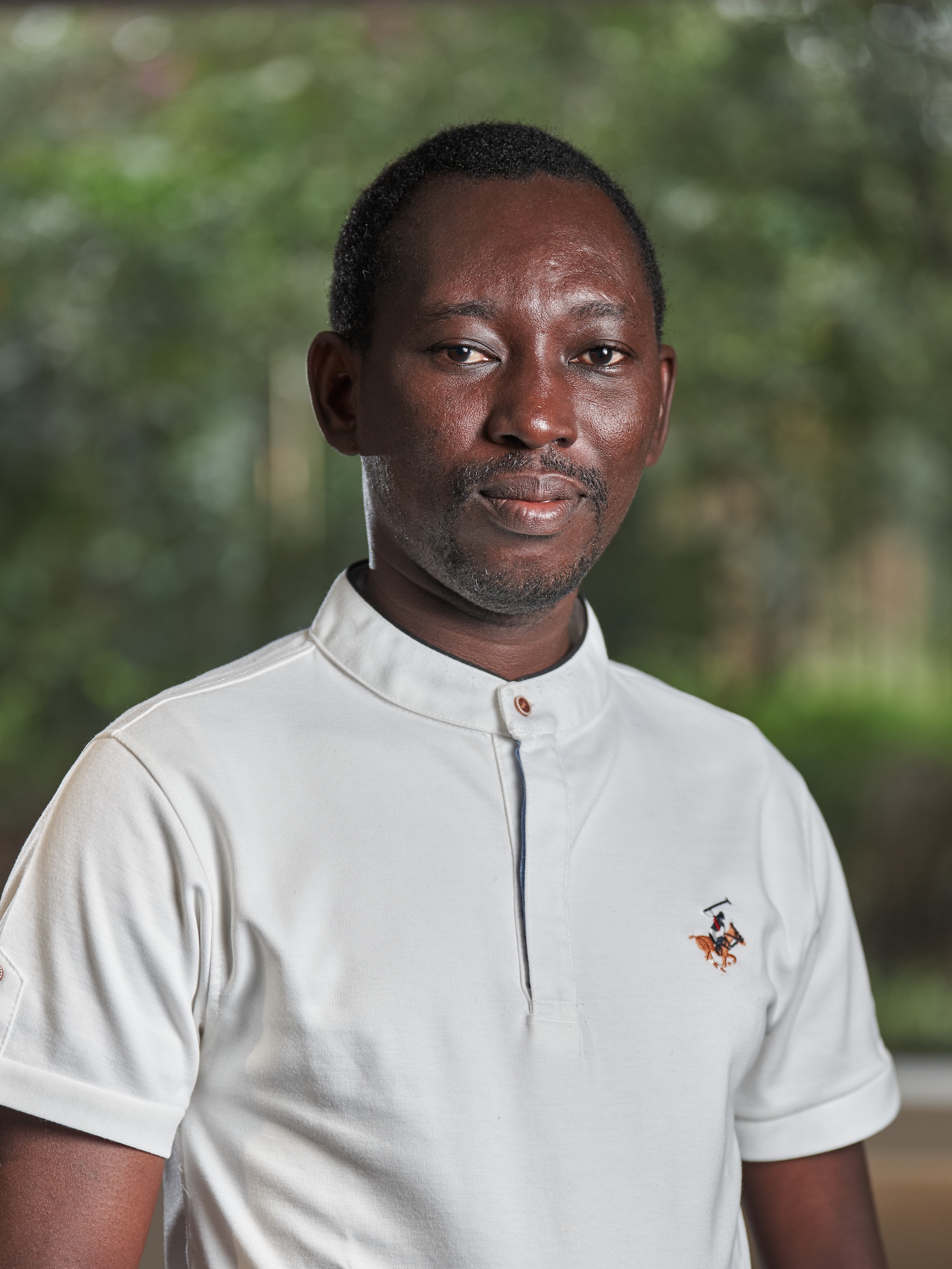
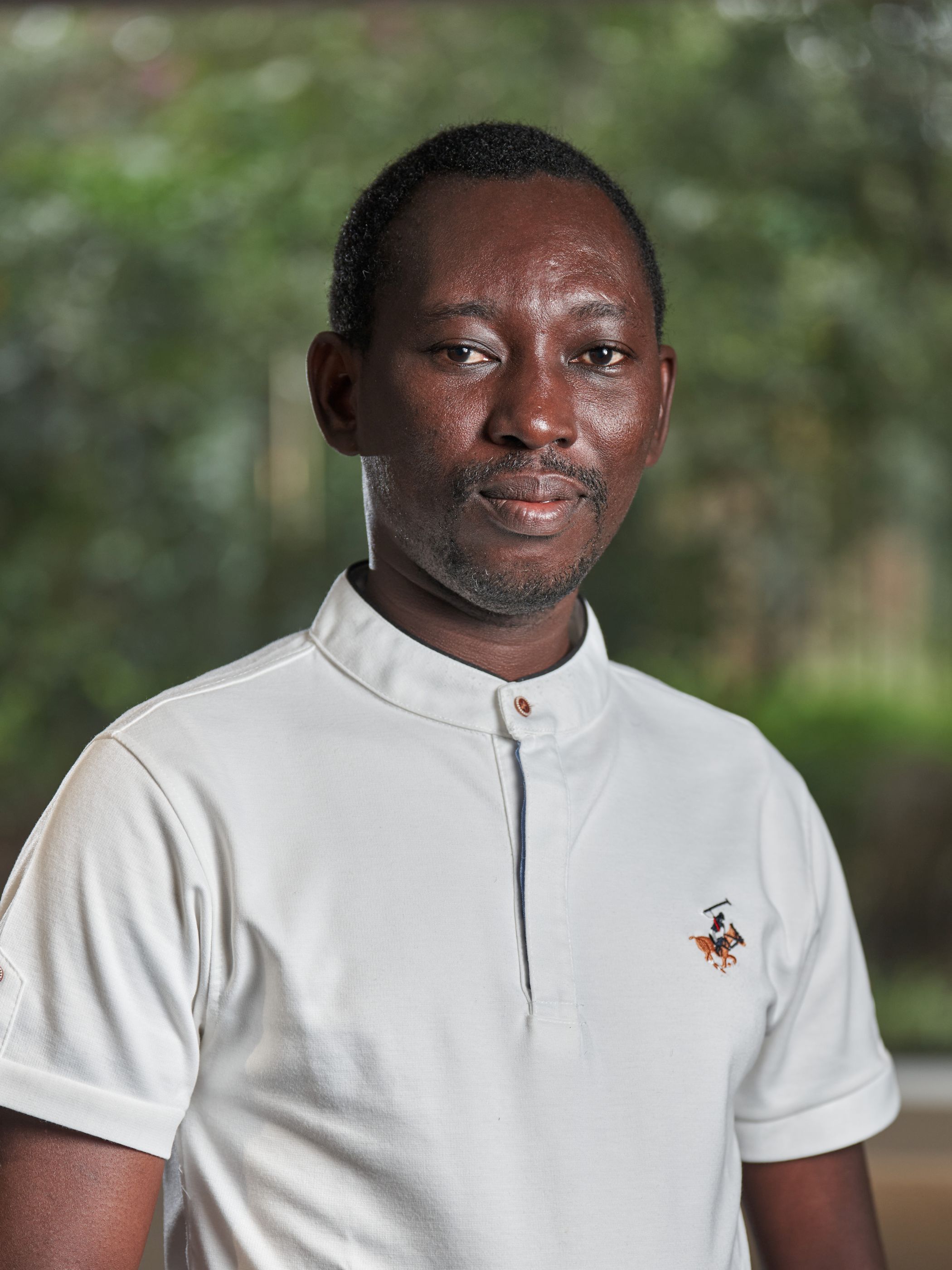
Iso Lomso fellow, Issouf Zerbo, is with the Department of Plant Production and Agronomy at Thomas Sankara University in Burkina Faso. His research objective is to determine the impacts of climate change and anthropogenic activities on Pterocarpus species to support the sustainable management of their resources.
“The threat status varies by information source, and there is a dire need for better information," he said, adding, "sources such as the article titled 'Diversity, distribution, and preliminary conservation status of the flora of Burkina Faso’, published in the journal Phytotaxa in 2017, estimate about 350 species are threatened, including 93 vulnerable, 150 endangered and 20 critically endangered".
In West African semi-arid areas, rural communities depend heavily on multipurpose tree species for fuelwood, fodder, medicine, construction materials and income. At the same time, these ecosystems are among the most vulnerable to climate change, facing rising temperatures, increasing rainfall variability and recurrent droughts.
“In such contexts, where livelihoods are tightly linked to natural resources, climate stress and land-use pressures act not as isolated factors, but as interacting drivers reshaping vegetation dynamics and species persistence,” he said.
Zerbo’s project focuses on three threatened Pterocarpus species that are both ecologically significant and essential for local livelihoods.
Pterocarpus is a tropical tree species well known for its valuable timber and its ecological importance in savanna and forest ecosystems. There are 30 Pterocarpus species in the world, of which half are found in Africa and three of which are found in Burkina Faso.
“They are a nitrogen-fixing species, which means they improve soil fertility and are good for the environment, said Zerbo. “But they are also used for human and animal consumption and comprise valuable timber.”
“Nowadays, it is extremely rare to see one that has not been used by humans.”
The three species found in Burkina Faso are Pterocarpus erinaceus, Pterocarpus lucens and Pterocarpus santalinoides, with P. erinaceus under the greatest threat, according to international sources.
Using species occurrence data and ecological niche modelling, Zerbo’s study explores how climate change may reshape their current and future distributions under multiple climate scenarios.
“Research plays a huge role,” he explained. “Genetic and ecological modelling of the three species could clarify how climate change is reshaping their niches and guide reforestation strategies using locally adapted genotypes,” Zerbo said.
“It may sound strange, but plants travel. They move. The same family may move to different areas across time," he said.
The study involves climate modelling and niche analysis. It draws on data from across the country as well as published resources, including soil, topographic and bioclimatic data.
Working holistically
“However, we have been very careful to include not only mathematical but also ecological, social and economic elements – to make the study as holistic as possible,” said Zerbo. “And, using all of this, we have done scenario planning estimates for 2055 and 2085 to see how the three species evolve – these range from the most optimistic to the most pessimistic.”
The study is showing clear ecological differences among the three species, with P. lucens more adapted to arid environments; P. erinaceus occupying intermediate ecological conditions; and P. santalinoides restricted more to humid habitats. Future climate projections reveal contrasting responses among the three species: P. lucens exhibits pronounced northward range shifts accompanied by a contraction of its suitable habitat; P. erinaceus appears relatively resilient to climate change, although its most suitable habitats are projected to contract; while P. Santalinoides is the most sensitive to climate change, with significant redistribution likely.
“Pterocarpus santalinoides is mostly found in areas that border Ghana and Cote D’Ivoire and may become limited to certain areas or move out of Burkina Faso altogether,” explained Zerbo.
“The results highlight contrasting ecological trajectories among these closely related species, as well as an increasing spatial mismatch between existing protected areas and future suitable habitats.”
“The priority is to anticipate this movement, protect future habitats and reduce vulnerability,” he continued. “We need anticipatory conservation, conservation of genetic diversity, sustainability management and attention to local livelihoods.”
The assessment shows it’s important to be proactive and anticipate future threats, which are highly dependent on human and population factors.
“The country wants to restore and protect 5.16 million acres by 2030, so it’s important to know where these trees will be,” said Zerbo. “They will also be planting baby trees once these areas are decided. Laws will be passed to protect specific areas and particular plants. Our maps will be sent to the ministry to show which areas should be protected and which are changing fastest, so they can act from reliable information.”
“Right now, our main partner is the national government, so the projects are very country-oriented. It would be good to expand this regionally. We would like to be involved eventually in developing an Africa-wide framework.”
“We must make people more aware of the value of trees,” he added. “People do know that plants are being overexploited and moving, but they may have no alternatives.”
“By emphasising the combined effects of environmental change and human dependence, I believe we are raising a critical question: Can conservation strategies remain static in a rapidly changing climate — particularly in contexts where human survival depends on the very species targeted for protection?” asked Zerbo. “We are arguing for more adaptive, spatially dynamic conservation approaches that are firmly grounded in the socio-ecological realities of semi-arid African landscapes.”
Article: Michelle Galoway
Photo: Curt Ruiters, Quickclick Productions