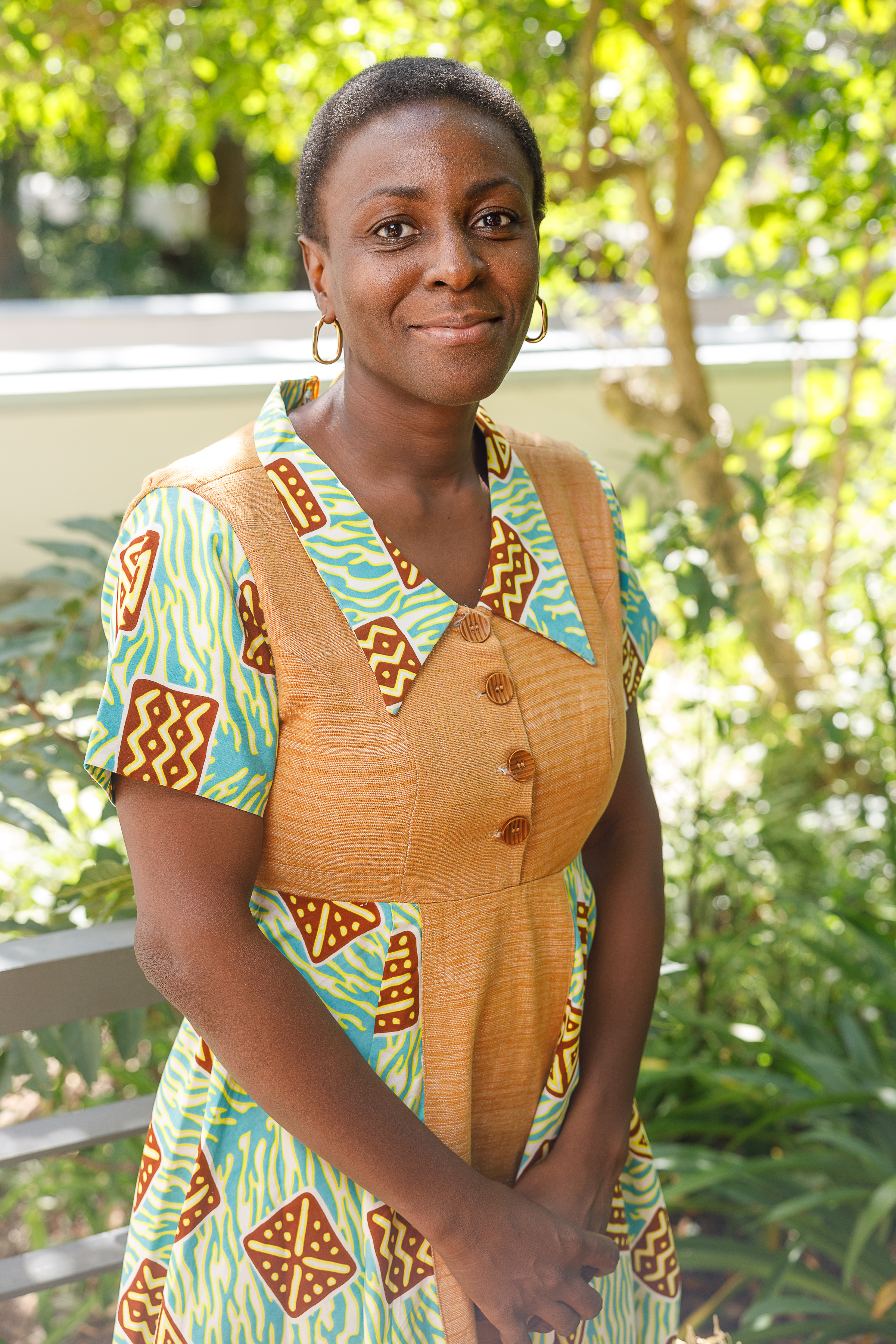
Building on empirical findings of former projects (spread over the years, from 2014 to 2023), the research project aims at conceiving land tenure otherwise, deviating from standard approaches by putting the articulation of interests and claims first; tracing how actors relate to each other and how they try to make their own claims heard and recognized by others. Studying land tenure as discursive formation means that one has to go beyond official documents and statements, highly powered rallies in conventional political arenas and look at the ordinary, sometimes openly visible at other times hidden performative side of how actors articulate their interests, how they try to persuade others that their claims to land are legitimate – even when they might not comply with state legislation.

Land tenure in secondary cities: discourses, practices, and social representations
2025
Related to this project
public lecture / seminar
‘It’s as if the more things change, the more they remain the same’: Land tenure and colonial legacies in West Africa
Colonial legacies have profoundly transformed land-tenure systems in West Africa by imposing legal and economic models that often conflict with local practices.
public lecture / seminar
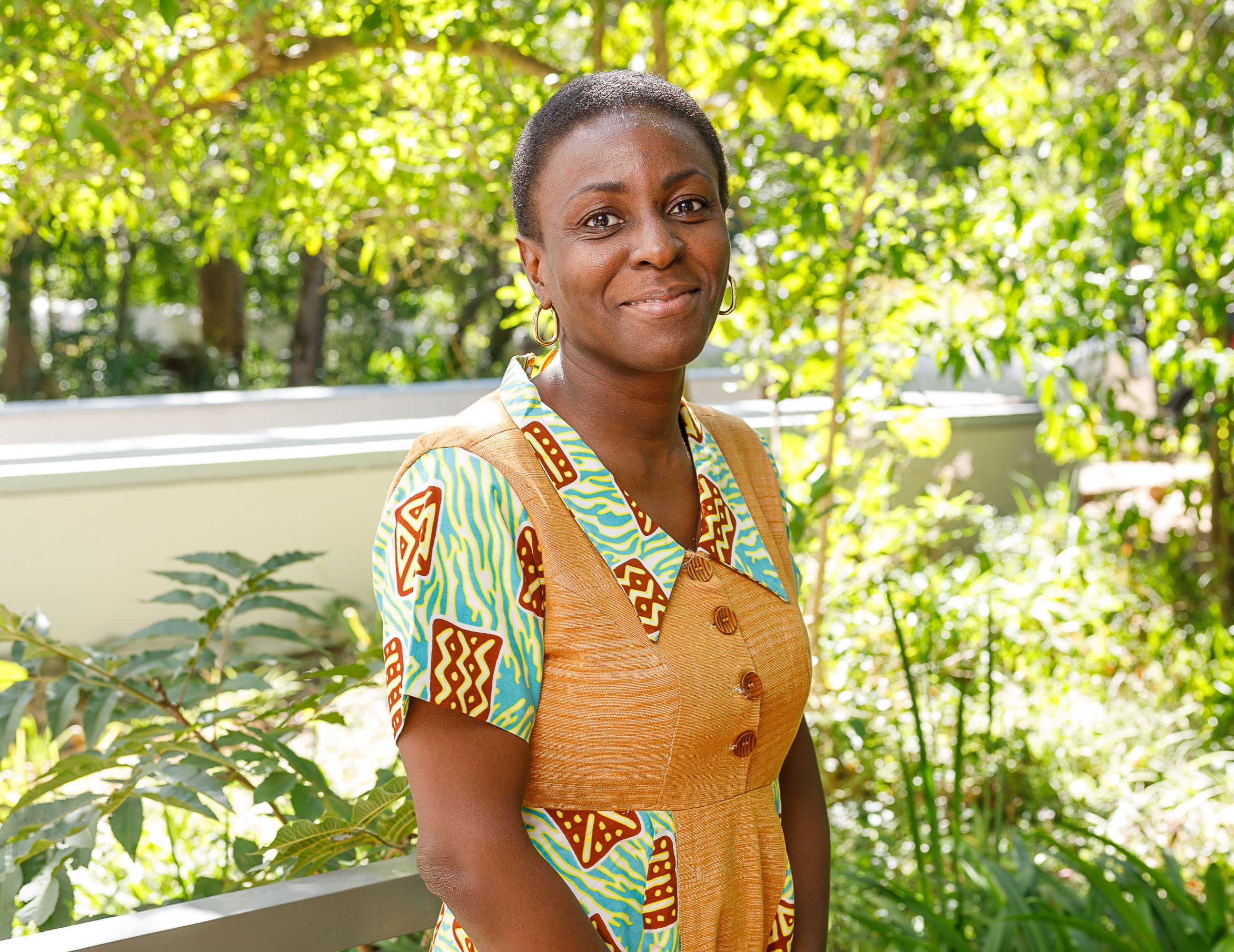
Land tenure in Bouaké (Côte d'Ivoire) and Kumasi (Ghana): Past and present - Fellows' seminar by Aïdas Sanogo
Urban land tenure is a grey (spatial and social) space where many different and diverging claims and interests overlap.

news-article
Seventh cohort of Iso Lomso Fellows announced
Stellenbosch Institute for Advanced Study (STIAS) is pleased to announce its seventh cohort of Iso Lomso Fellows for applications submitted during its October 2022 Call.