
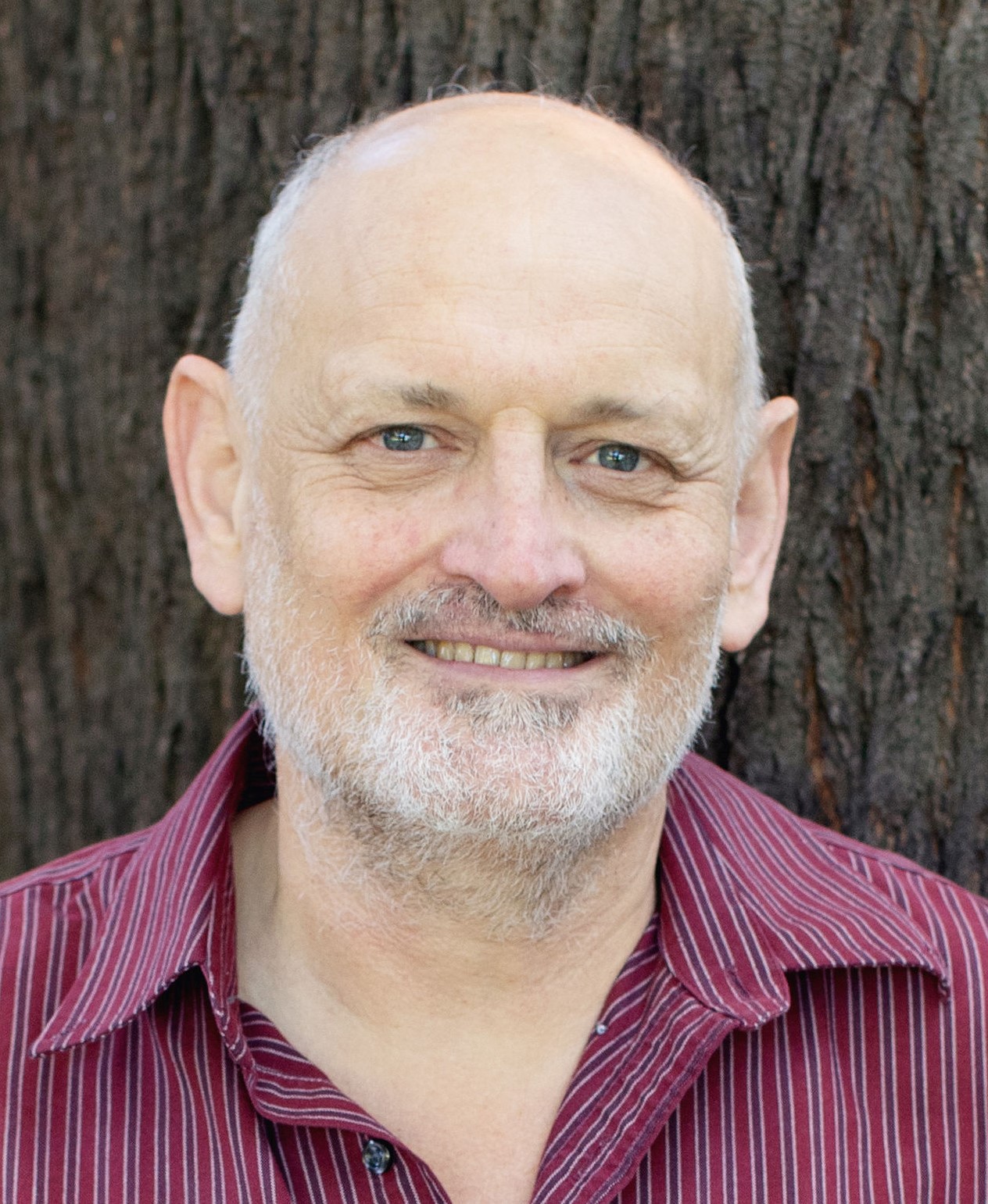
Ernst M. Conradie retired early in 2027 as senior professor in the Department of Religion and Theology at the University of the Western Cape in South Africa. His publications are mainly in the fields of Christian ecotheology, systematic theology and ecumenical theology. He is the series editor of An Earthed Faith: Telling the Story amid the "Anthropocene", based on a collaborative project involving scholars from around the world aimed at producing a series of twelve edited volumes, jointly published by Aosis and Wipf & Stock. He is the author of The Earth in God’s Economy: Creation, Salvation and Consummation in Ecological Perspective (LIT, 2015), Redeeming Sin? Social Diagnostics amid Ecological Destruction (Lexington, 2017), Secular Discourse on Sin in the Anthropocene: What’s Wrong with the World? (Lexington, 2020) and A God Who Cares? Reformed Perspectives on God’s Providence amid the Shift from the Holocene to the “Anthropocene” (AOSIS, 2024). He has held research fellowships at institutions in Oxford, Berkeley, Heidelberg, Exeter, Princeton, Amsterdam, Decatur, Sydney and previously also at STIAS (2015). He holds an A-rating from the NRF as a "leading international scholar".
- Nationality
- 🇿🇦 South Africa
- Affiliation
- Department of Religion and Theology, University of the Western Cape, South Africa
- Field of study
- Philosophy, Religion and Theology
- Residencies at STIAS
- 2027 2nd Semester 2015 2nd Semester
Projects
-
God’s Chosen? Dealing with Deadly Distortions
The notion of being God’s chosen people is as dangerous an idea as any other in human history. It provides theological legitimation for ideologies such as Eurocentrism, white supremacy, British imperialism, Nazi supremacy, apartheid racism, the MAGA-ideology, and Zionism in multiple forms. Nevertheless, the intention of the term is arguably inclusive and affirming: It affirms the identity of those who are excluded and rejected, oppressed and marginalised, including migrants, refugees and the victims of xenophobia. Its focus is on the particular for the sake of the universal. This yields the intriguing question: where and how does a logic of inclusivity become as exclusivist as the exclusivism that it seeks to counter? This is primarily a philosophical question but one that is open to debate in historical studies, politics, economics, sociology, religion and theology alike. This project entails a case study of ideological distortion as part of a history of dangerous ideas. Its focus wil -
The malaise of the human condition: Social diagnostics, human evolution and theological discourse on the contingency of “sin”
Social diagnostics gained some currency in the South African context through the Diagnostic Report (2011) produced by the National Planning Commission.