
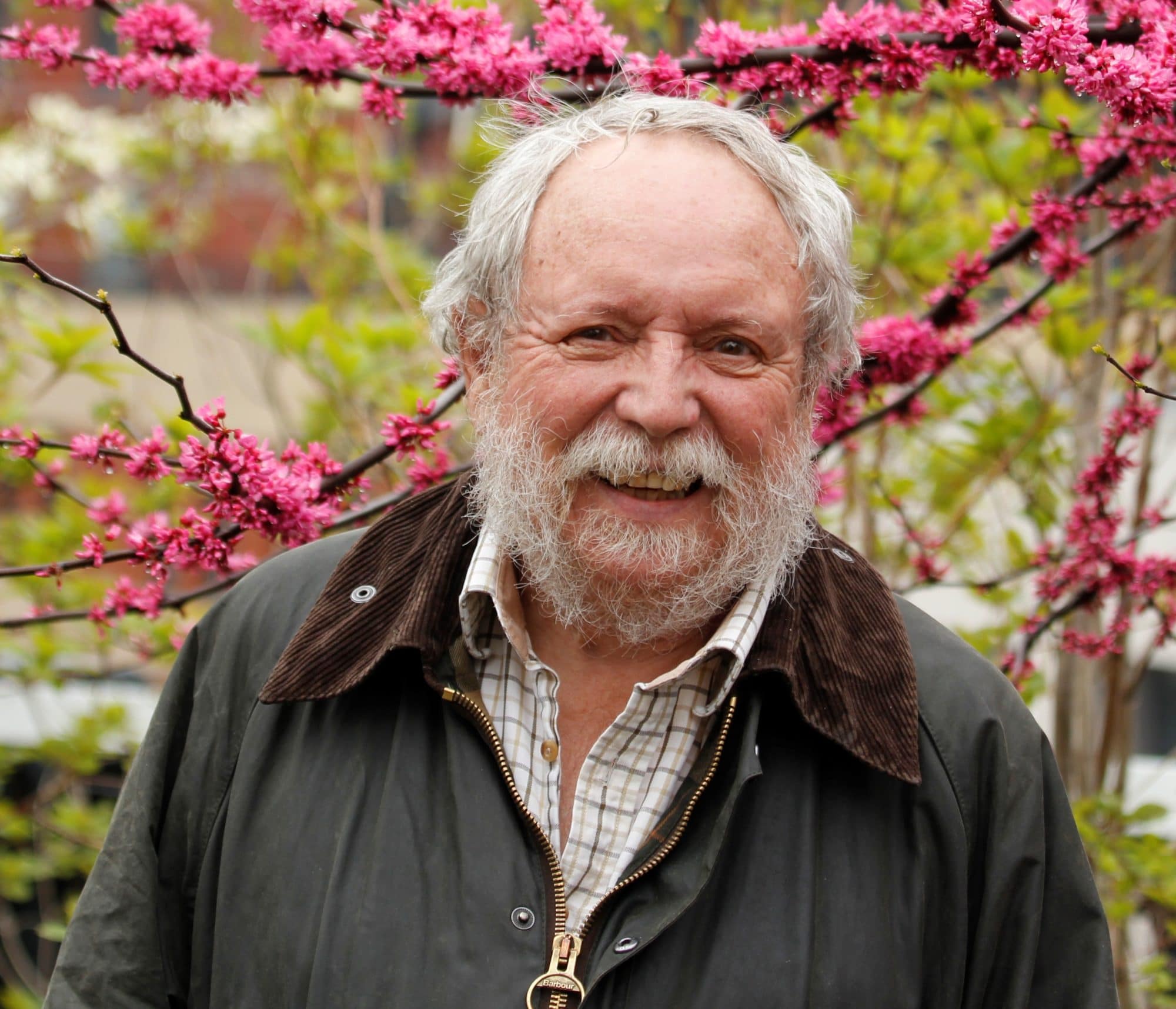
Michael Ruse,Lucyle T. Werkmeister Professor of Philosophy, Director of the Program in the History and Philosophy of Science at Florida State University, and STIAS fellow will present a talk with the title:
The Gaia Hypothesis: Science on a Pagan Planet
Abstract
In the late 1960s the English scientist James Lovelock hypothesized that Planet Earth is best regarded as a self-maintaining organism. Shortly thereafter he was joined by the American biologist (and Stias fellow in 2010) Lynn Margulis. The “Gaia hypothesis” – so named thanks to Lovelock’s friend, the future Nobel Laureate William Golding – was controversial from the first. The scientific community – Richard Dawkins by example – hated it. The general public loved it. The not-so-general public – Charles, Prince of Wales – also was enthusiastic. By digging into history, I want to find out why there were these extreme reactions. In so doing, we shall find some very interesting things about both the general (and non-general) public and about the scientific community.
Michael Ruse is the Director of the Program in the History and Philosophy of Science at Florida State University. A former Guggenheim Fellow and Gifford Lecturer, a Fellow of the Royal Society of Canada, he is the author of many books on and around evolutionary theory. His next book, to be published later this year by Oxford University Press, is Atheism: What Everyone Needs to Know. He is quite certain that Richard Dawkins will not like it, but is less certain about the reaction of Prince Charles.