
The endemic circulation of pathogenic viruses is a major concern, world-wide. Among these, foot-and-mouth disease viruses cause widespread, periodic outbreaks with substantial economic, health, and wellbeing impacts. As this virus readily moves between wild and agricultural animals in Africa and other regions of the world, it provides a compelling example of OneHealth, the shared health connections between animals, humans, and the environment.
With foot-and-mouth virus, the constant genetic change of the virus (evolutionary variability) provides a driving force for endemic circulation, and a challenge to effective responses. In this Stellenbosch Institute for Advanced Study lecture, the basic biochemistry of the viral lifecycle, the efficiency and elegance of how the virus assembles its working parts from one long protein chain (viral polyprotein maturation), the stunning symmetry and stability of its protective outer shell (capsid), and the ability of the virus to hijack the host’s own cells to cause damage will be illustrated. Possible logistical and technological approaches to improved diagnosis and prevention responses, including an overview of newly emerging, powerful messenger RNA approaches to produce vaccines, will be provided. Alongside these biochemical and technical foundations, the societal context and regulatory landscape of moving from gene to vaccine, including how new vaccine technologies can move from lab to public use, will be considered.
About the speaker
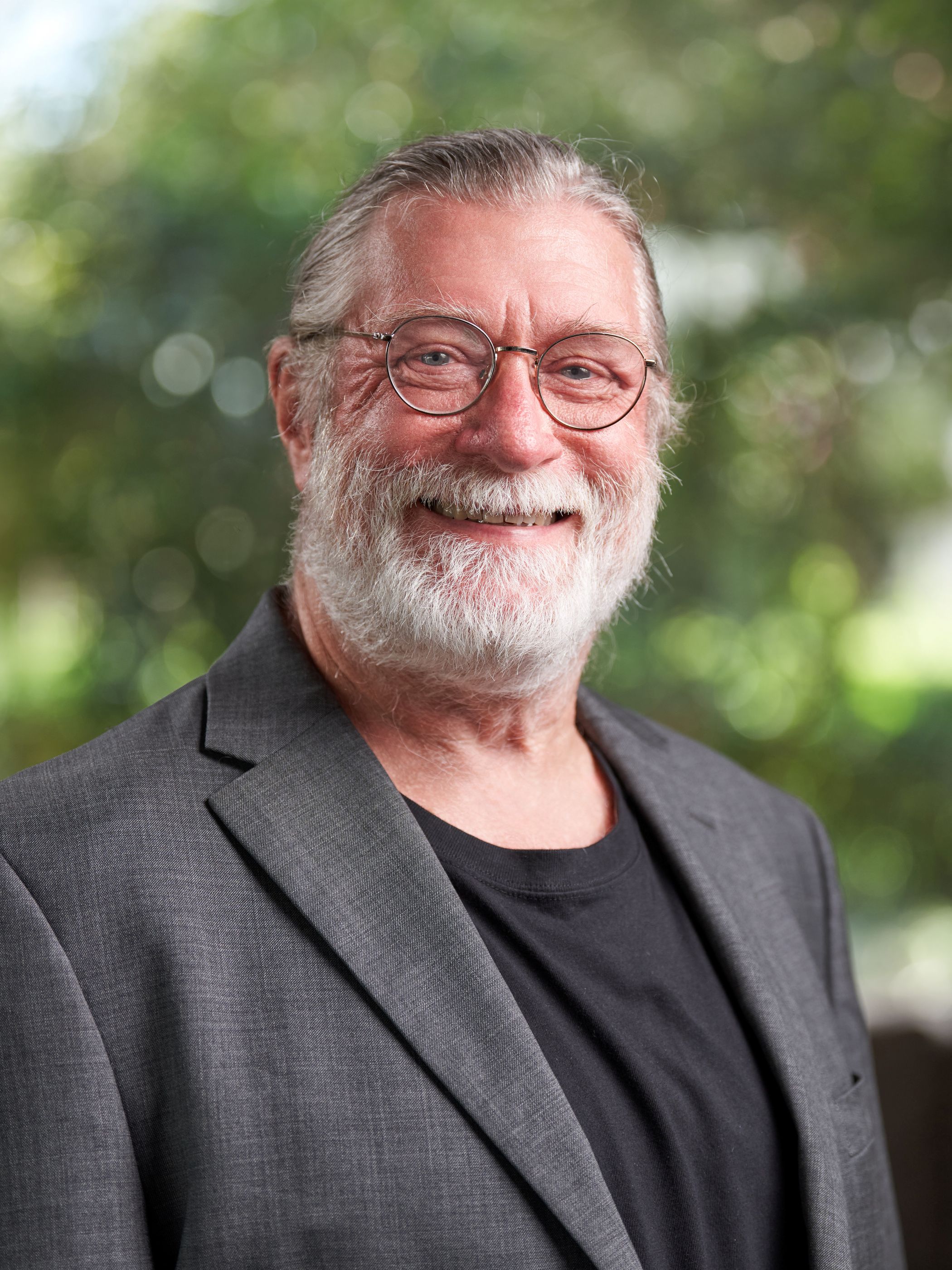
Brian G. Fox wants to understand the three-dimensional structures of enzymes and how they carry out biological functions. He has a BA in Chemistry from Carleton College, Northfield, Minnesota, and a PhD in Biochemistry from the University of Minnesota. He is currently the Vilas Distinguished Achievement Professor at the University of Wisconsin–Madison, USA.
His current research focuses on structure and mechanism of enzymes that catalyze difficult reactions, and adapting enzymes and bacteria to produce ingredients used in pharmaceuticals, synthetic fibers, and biodegradable plastics from renewable materials. His work has been patented by the Wisconsin Alumni Research Foundation and made available to the public.
Fox co-led a multi-investigator team that founded the UW-Madison Center for Eukaryotic Structural Genomics. As part of the US National Institutes of Health Protein Structure Initiative, this work laid the foundation for computational determination of protein three-dimensional structures. He is also a leader in the enzymatic deconstruction of plant biomass and a research contributor to the US Department of Energy-funded Great Lakes Bioenergy Research Center.
He has held several senior leadership roles for over a decade, including Associate Vice Chancellor for Research Policy and Integrity, chair of the Department of Biochemistry, and director of the NIH-funded Biotechnology Training Program at the University of Wisconsin-Madison.