
“The number of armed conflicts in the world is at levels we have not seen in decades. The rules designed to limit their human cost are under immense pressure.”
Mirjana Spoljaric, President of the International Committee of the Red Cross (ICRC), October 2026
The protective ambit of the law of war (or, international humanitarian law) only operates where there is a war. When does violence become an armed conflict? What kind of conflict is it (international or non-international)? When does the nature of the conflict change? When does it end? These are all questions that determine whether international humanitarian law applies and what specific protections are offered to civilians and those no longer participating in the conflict. The nature of conflicts has changed over the years and classifying the myriads of conflicts that exist in 2026 is not a straightforward affair.
In this public lecture, Martha Bradley will explain trends and challenges concerning the typology of conflicts that are ongoing in 2026. In terms of conflict trends, Bradley will explain the notion of ‘short-lived’ international armed conflicts using the United States/Venezuela situation as a case study. She will also address the legal meaning of being a proxy group and its legal significance with reference to the M23 in the Democratic Republic of Congo.
Rebel groups pledging alliances to the Islamic State is an increasing phenomenon on the African continent. These groups also operate across state borders. The legal significance for the legal application of international humanitarian law in these and other situations that have reared their head in 2026, will be explained.
About the speaker
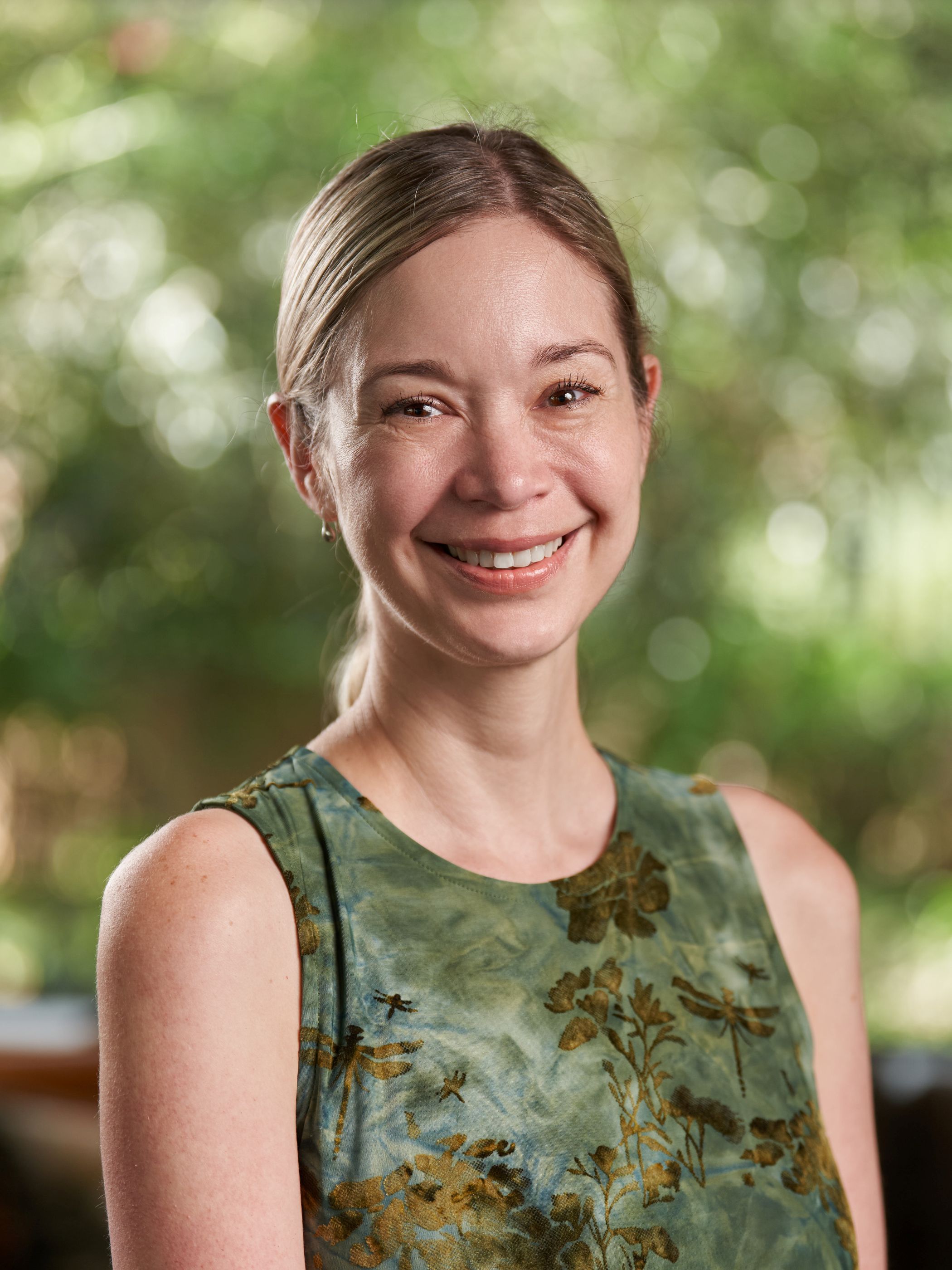
Martha Magdalena Bradley is a STIAS Iso Lomso Fellow for the period 2026 – 2028. Her research project is titled Classification Conundrums: Classifying, re-classifying and de-classifying conflicts involving alliances, coalitions, umbrella groups and proxies. She is an Associate Professor at the Department of Public Law, at the University of Johannesburg where she is also affiliated with the NRF South African Research Chair of International Law. She also serves as a consulting senior researcher at the Geneva Academy of International Humanitarian and Human Rights Law, a joint Centre between the University of Geneva and the Geneva Graduate Institute.
As of 2021, Bradley has been teaching in the advanced course of the Institute of International Humanitarian Law based in San Remo, Italy. She serves on the Advisory Board of the Max Planck Yearbook on United Nations Law and the National Research Foundations’ Law Ratings Panel. She has served as a resource person to the International Committee of the Red Cross, and her work has been included in the ICRC’s bibliography and has been cited in the ICRC’s Commentaries to Four Geneva Conventions.
