
Electron microscopy has transformed our ability to visualize the microscopic world, revealing the intricate architecture of cells, pathogens, and biomolecules at extraordinary resolution. The recent revolution in cryogenic electron microscopy (cryo-EM), recognized by the 2017 Nobel Prize in Chemistry, has fundamentally changed structural biology by enabling scientists to determine the three-dimensional structures of biological molecules with unprecedented detail. During the COVID-19 pandemic, cryo-EM played a pivotal role in revealing the structure of the SARS-CoV-2 spike protein, accelerating vaccine development and structure-based drug discovery.
In this lecture, I will explore the remarkable history of electron microscopy in South Africa, from its early international leadership to the challenges that have left the country without modern high-resolution cryo-EM capability. Although South Africa has a strong tradition in electron microscopy, researchers still rely on overseas facilities for the highest-resolution studies, limiting scientific competitiveness, advanced training, and rapid responses to emerging health challenges.
I will discuss why establishing a national cryo-EM platform represents far more than the acquisition of a sophisticated microscope. It is an investment in scientific infrastructure, education, healthcare, pharmaceutical innovation, and human capacity development. Finally, I will present a vision for building sustainable cryo-EM capability in South Africa, positioning the country as a regional leader in structural biology and biomedical research while strengthening Africa's role in the global scientific community.
About the speaker
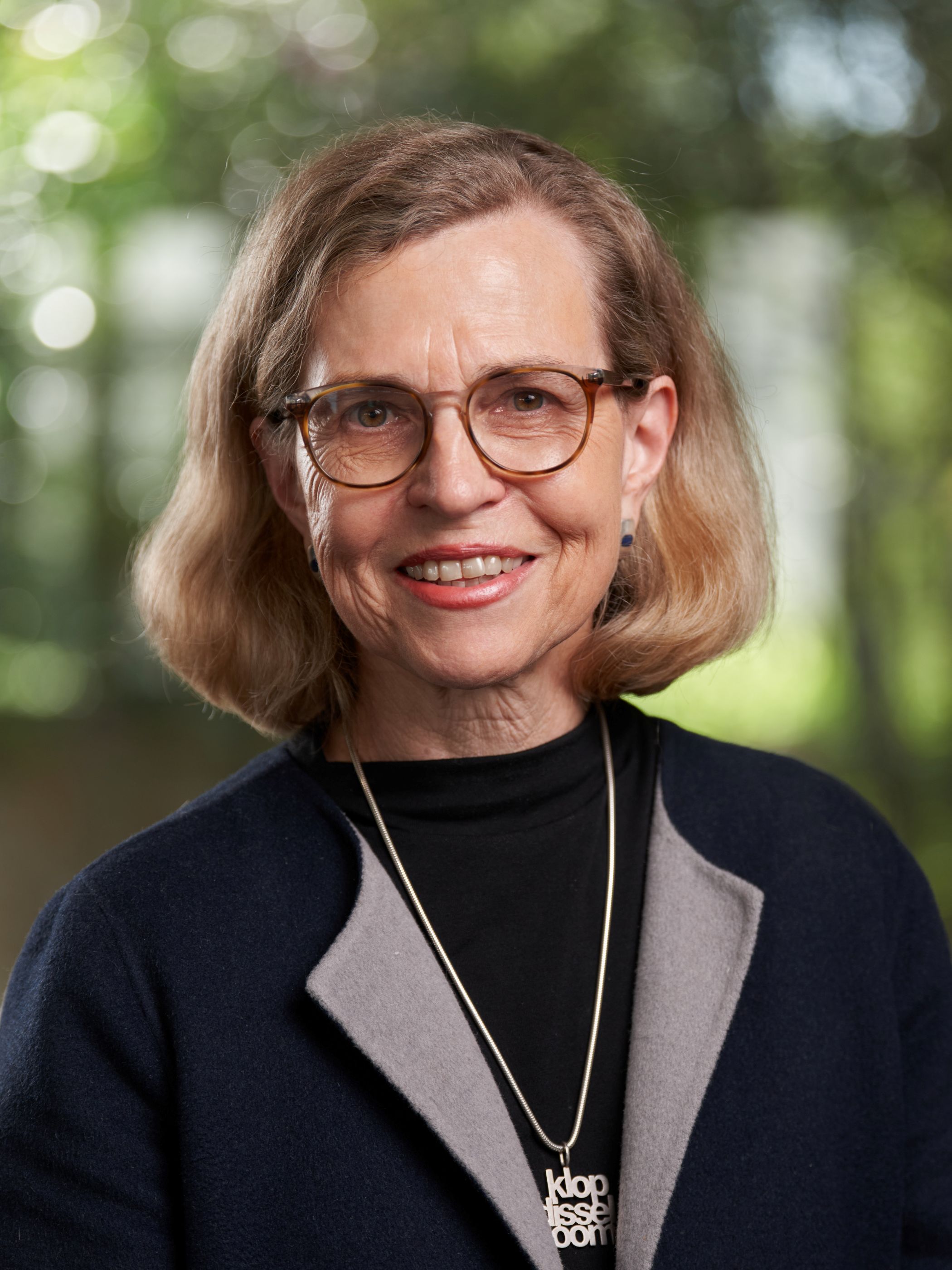
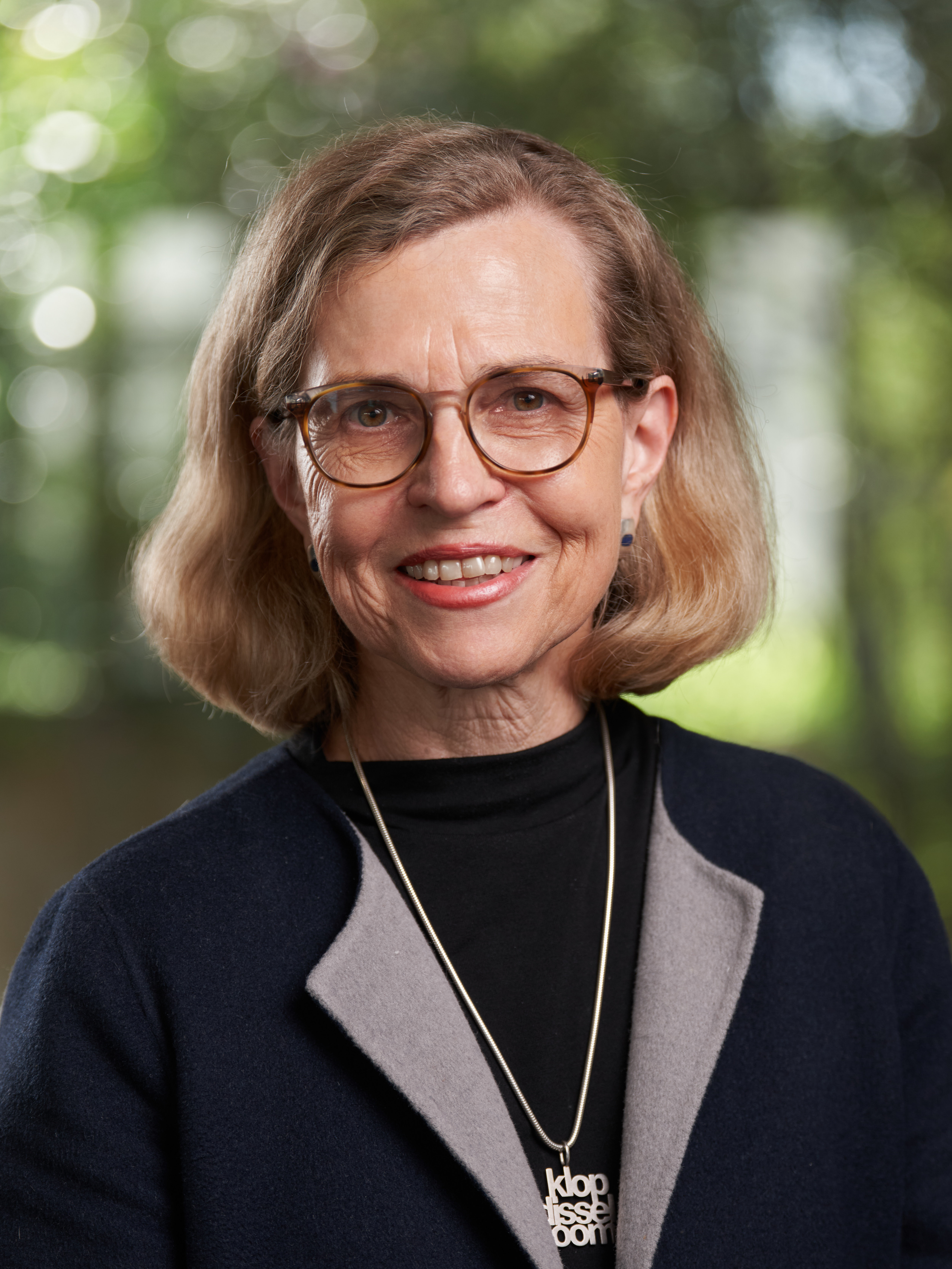
Dr Lydia-Marie Joubert received her BSc (Mathematics and Botany), Hons.BSc and MSc (Botany) from Stellenbosch University, South Africa, where she was born and raised. Her PhD was co-supervised by prof. Jan Coetzee (Pretoria University SA) and prof. Paul Mahlberg, (Indiana University, Bloomington, USA) where she performed the most significant component of her postgraduate research. Her international scientific career was launched during her MSc studies, with an internship at Weizmann Institute, Israel, under mentorship of prof. Dan Atsmon in Plant Genetics. Later in her career she also obtained an MPhil in Higher Education.
Her postgraduate studies focused on monoterpene biosynthesis and trichome development in the genus Pelargonium, and techniques of electron microscopy and gas chomatography were further explored and developed. After postdoctoral studies in plant-microbial symbiosis, Dr. Joubert moved towards Environmental Microbiology with a research focus on microbial biofilms and their practical application especially in bioenergy production and wastewater remediation. Ultrastructural TEM and SEM application runs as a thread throughout her research. After moving to the USA she joined Stanford University as Sr Research Professional and lead scanning electron microscopist in life sciences, with a strong focus on technique development for hydrogel and biomaterial imaging, as well as array tomography and serial volume (3D) imaging. Correlative light and electron, as well as X-ray microscopy, were further explored and developed. In 2017 Dr. Joubert moved back to Stellenbosch as head of Electron Microscopy and associate professor in Microbiology. In addition to leading the main EM Unit in Stellenbosch, she started an EM unit at the Medical School in Tygerberg, Cape Town, with the acquisition of an Apreo Volumescope for 3D and conventional SEM and TEM application.
She moved back to Stanford at the end of 2019 to join the Stanford SLAC Cryo-EM Center (S2C2) under leadership of prof. Wah Chiu. She has since been promoted to the position of Director of Operations at the Cryo-ET Center (SCSC), which focuses on application and training in cryo-Electron Tomography. She additionally develops workflows in cryoFIB-SEM as tool for cryo-ET sample preparation, 'slice and view' 3D data collection and correlated light and electron microscopy under cryogenic conditions. Her personal research focus returned to plant and microbial studies in cellulosic bio-energy, as well as fundamental aspects of mitochondria development in health and disease. She has a keen interest in visualization and has won numerous awards in scientific imaging contests. Her electron micrographs regularly feature on the front cover of scientific journals. She was appointed as Professor Extraordinary in Microbiology at Stellenbosch University, where she continues to support the development of Electron Microscopy in Life and Medical Sciences. She lives in Los Altos, California.