This research project examines the first generation of independent African leaders and how they went about constructing new African nation-states: forging a sense of nationhood out of disparate African ethnic groups brought together within artificial colonial boundaries through colonial rule; imagining the new nation through culture, religion, and the arts; choosing or defining a development model in a world divided into opposing camps of East and West by the Cold War; and the excitement of new sub-disciplines like development economics and its promise to transform former tropical colonies. The period covered is from 1945, when the colonial state becomes a “developmental state” and development economics was born, through circa 1980, when we see changes in the first generation of leaders, the decline of development economics and the rise of the monetarists, as Africa slips into the worst economic decade on record in its post-colonial history. The project draws heavily on four case studies: Ghana under Nkrumah, Guinea under Sekou Touré, Senegal under Senghor, and Tanzania under Nyerere. It also draws on material from Nigeria and the Ivory Coast, and seeks to incorporate new material from the ANC archives at Fort Hare University in South Africa. Apartheid was an emotive issue for these African leaders, and Ghana and Tanzania provided a home for many liberation fighters from southern Africa.

The First Generation of Independent African Leaders and the Making of the African Nation-State
Related to this project
Event
Early Independent Africa’s Abortive Attempt at Industrialization: The Case of Ghana under Kwame Nkrumah - STIAS webinar by Emmanuel Akyeampong
Register here by 12 May 2021 Emmanuel Akyeampong, STIAS Fellow, Ellen Gurney Professor of History and of African and African American Studies and Oppenheimer Faculty Director of the Center for African Studies at Harvard University will present a webinar with the title: Early Independent Africa’s Abortive Attempt at Industrialization: The Case of Ghana under Kwame Nkrumah Abstract It is anticipated that the post-Covid-19 world will see a moderation of the hyper-globalization that has characterized the last couple of decades and usher in a renewed emphasis on national sovereignty and autonomy in economic decisions.
Article
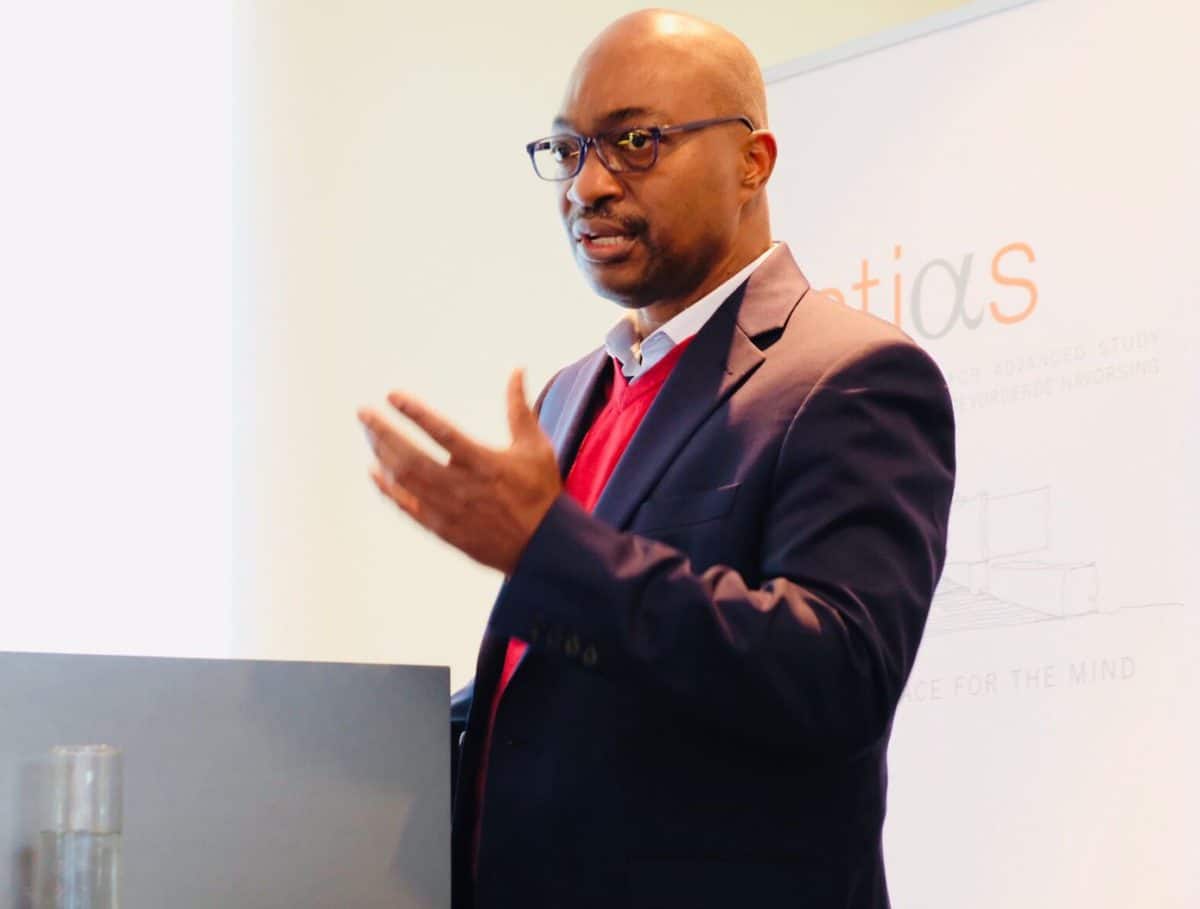
Learning the lessons of history for the post-COVID world - STIAS webinar by Emmanuel Akyeampong
I don’t want to replicate history, I just don’t want us to ignore it.