
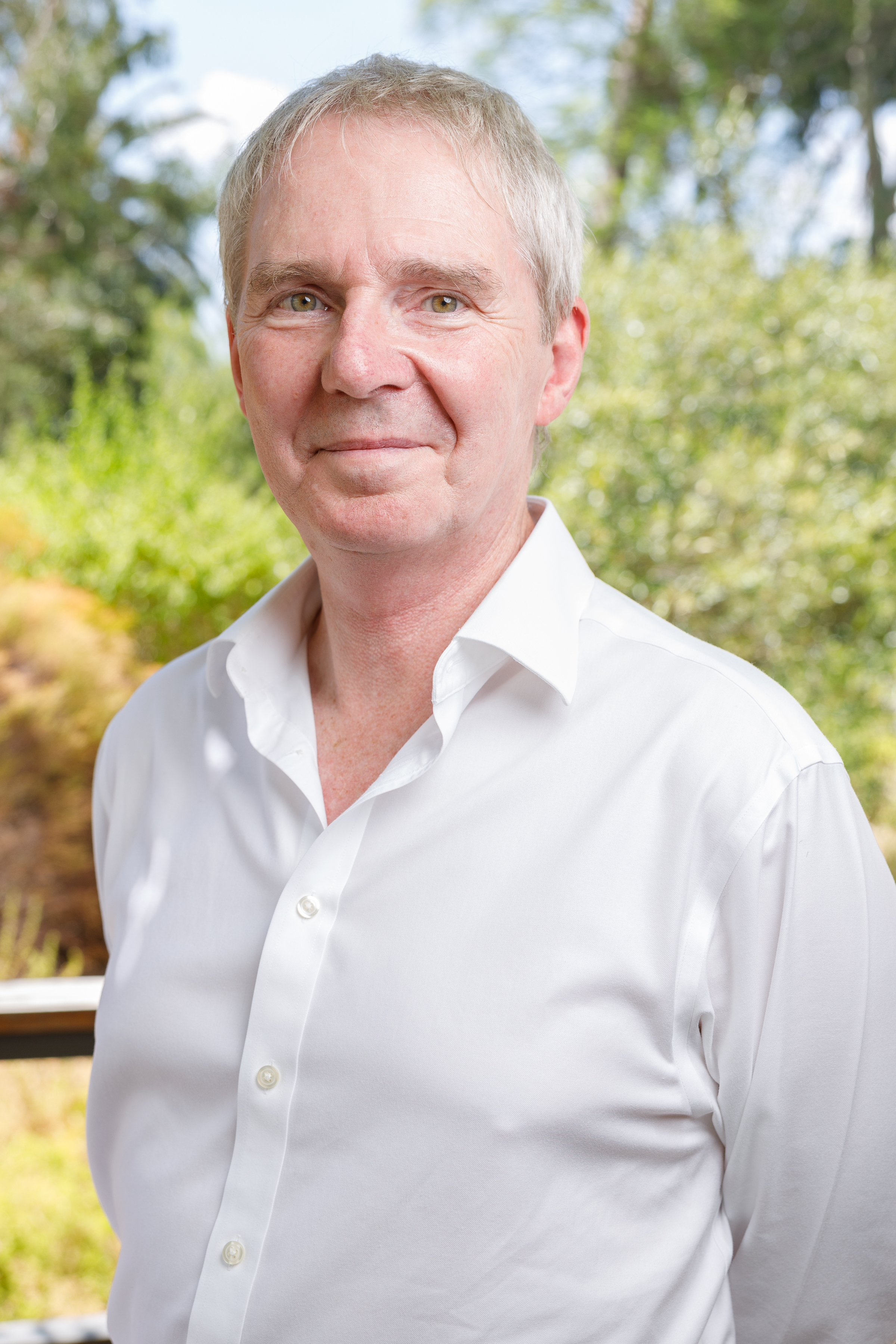
In recent decades nations around the world have begun to open up significant amounts of the non-personal data they generate, gather and hold. From education to housing, health to transport, urban planning to environmental monitoring, open data has been used to deliver and improve public services. However, significant challenges remain, not least how to make the data accessible and useable across a broad range of contexts. Recent developments in AI may help solve these challenges. Large Language Models (LLMS) such as ChatGPT and Bard, that are themselves trained on very large amounts of data, are adept at question answering, summarisation, and many other tasks. A first stage of work will evaluate the extent to which LLMs as currently implemented are able to access, analyse and repurpose open data resources. A second stage will look to adapt and refine these models through RHLF (Reinforcement Learning through Human Feedback ) to determine if this provides powerful new interfaces to open data resources. Throughout the research fellowship the open data initiatives within the Western Cape, and urban renewal projects such as the Adam Tas Corridor will be some of use cases considered.
Related to this project
Event
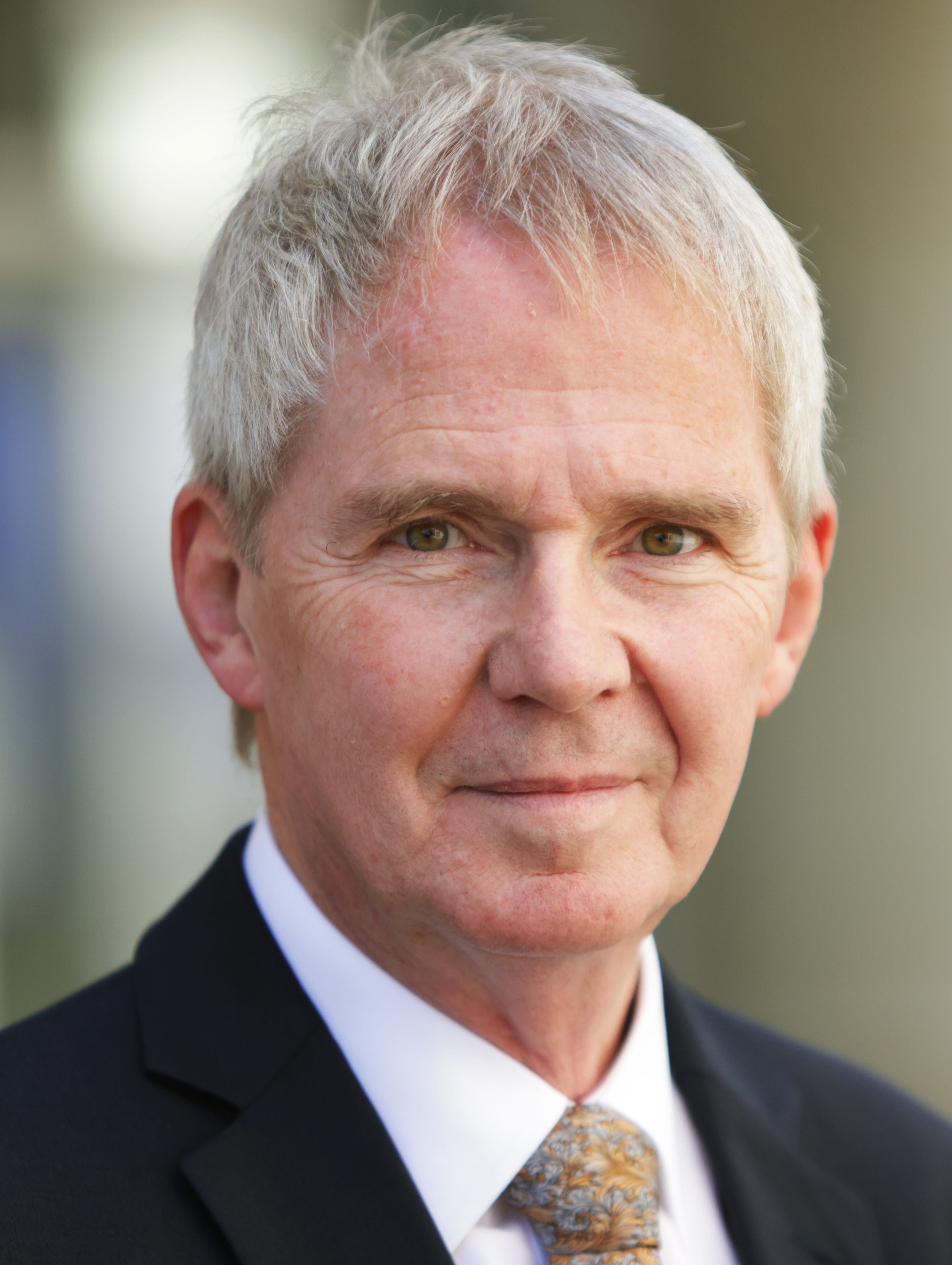
Standing on the Edge of Error - STIAS Public lecture by Nigel Shadbolt
Register here by 26 February 2024 STIAS Donald Gordon Fellow Professor Sir Nigel Shadbolt, Principal of Jesus College Oxford and a Professor of Computing Science at the University of Oxford will present a public lecture with the title: Standing on the Edge of Error: Science in the Age of Artificial Intelligence This lecture will reflect on what makes the scientific method so powerful, how it has transformed our world, and how it has been informed, enriched, and made possible by accomplishments in engineering.
Article
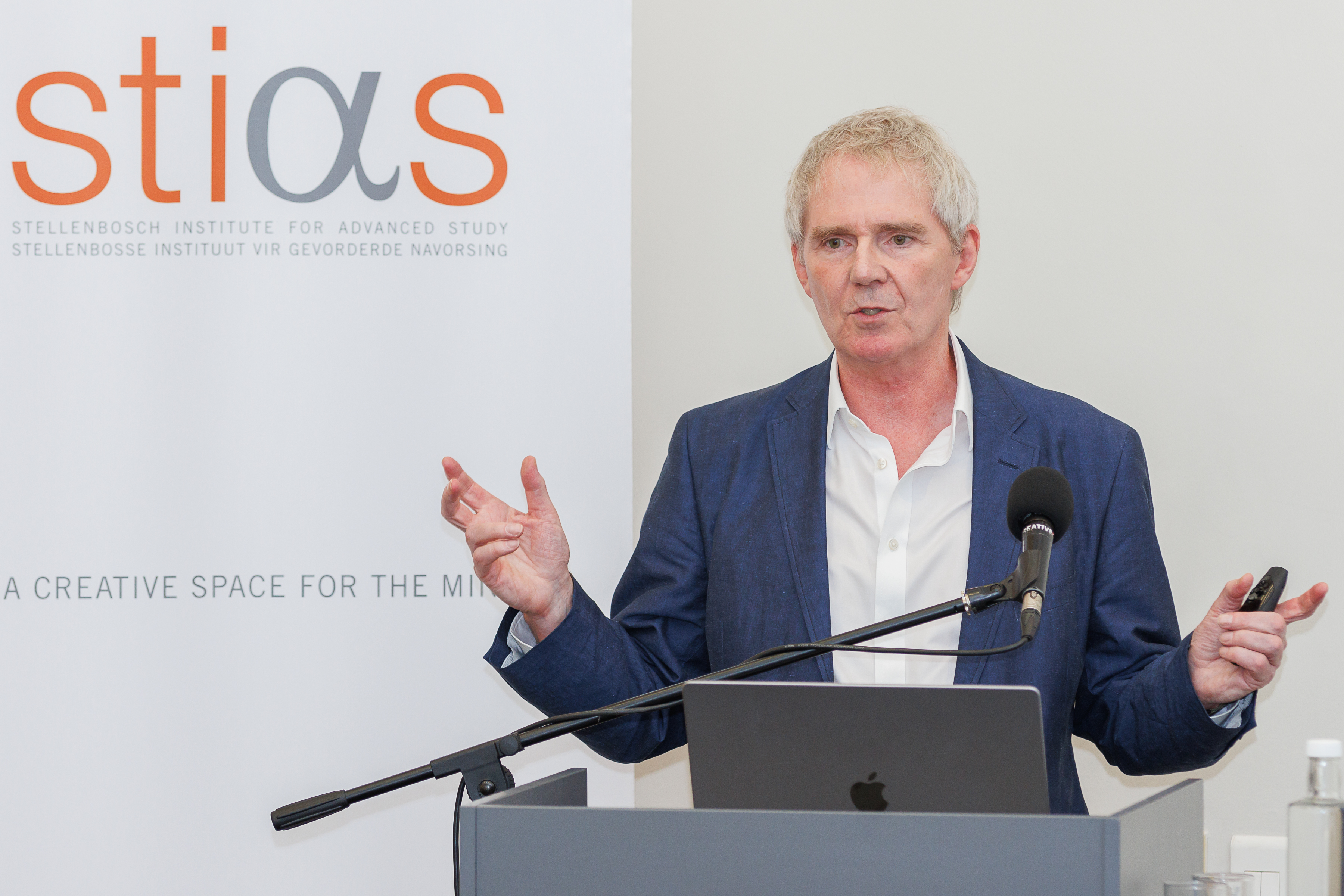
Standing on the edge of error - STIAS Public lecture by Nigel Shadbolt
Artificial intelligence holds massive promise for human advancement but it’s not infallible and needs ethics, regulation and governance to ensure it is resilient and not manipulated.