
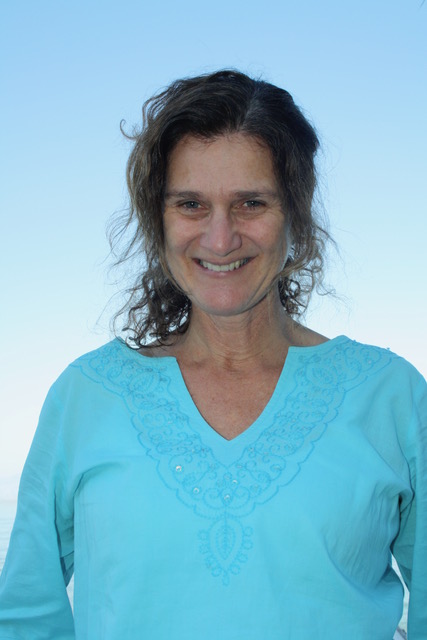
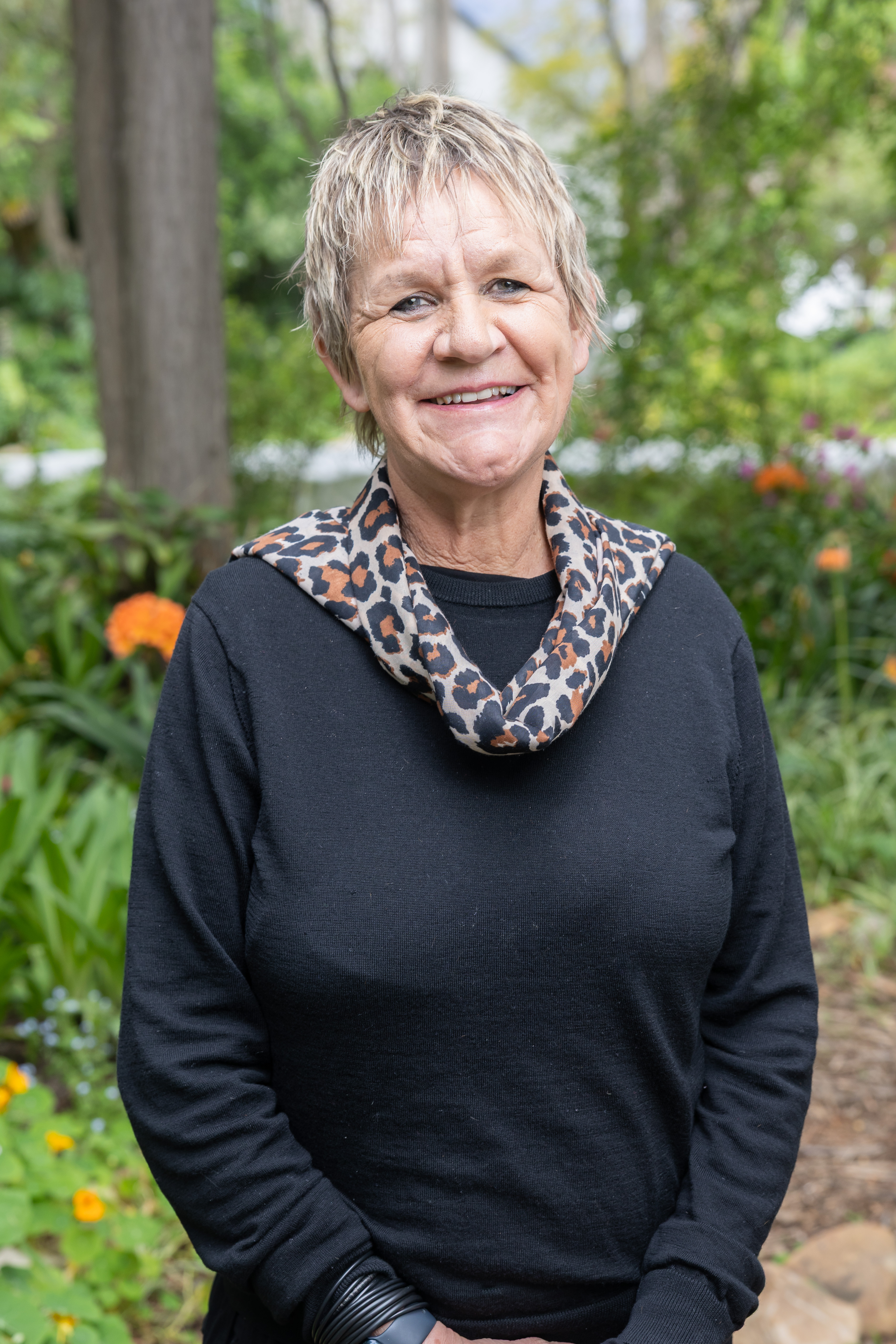
“We are interested in the affective worlds of South African women and other marginal groupings, particularly, how these are entangled with larger affective and political productions; how affect becomes embodied and material, and is deployed to reproduce and rationalise, but also to disrupt and resist inequalities and violences, including both social and environmental injustices,” said Tamara Shefer of the Department of Women’s and Gender Studies at the University of the Western Cape. “The brief and seemingly simple stories of different street encounters in this compromised and complex town, will hopefully show something about the workings of Slow Affect, and how and why it is important in the South African context in current times.”
“The stories speak of how affect is entangled with our everyday, how it also bleeds from the past into the present, affecting us, shaping us and our everyday experiences,” said Lou-Marié Kruger of the Department of Psychology at Stellenbosch University. “They gesture to how affect builds up, over many generations, how sometimes it breaks, like a twig carrying too much of a load, as feminist scholar Sara Ahmed tells. We live through and with stories. Sometimes they are impossible to tell, but they need to be told. The telling of affective stories, we think, promotes a scholarship that is embodied and vibrant, so that we may be moved to make a difference.”
In their seminar presentation or what they described as an “affective performance”, Shefer and Kruger shared some of the stories they hope to include in their book to explain and illustrate the concept of Slow Affect. They presented what they described as “brief stories about encounters in a compromised town” and “deeply affective stories entangled with the everyday”.
“Stories gathered by two white scholars walking the streets of Stellenbosch with colleagues, patients, dogs and a ghost or two – highlighting the feelings and sensations that circulate inbetween stories of ourselves and others including more than human others,” said Shefer, “which we believe can help towards reconceptualising academic knowledges.”
‘It’s a project of justice scholarship,” added Kruger. “A show and tell as well as a show and feel. Stories are only important when heard and felt.”
They also acknowledged the contribution and learnings gained from interactions with other STIAS fellows “and the space that STIAS has provided to live and learn”.
And although the stories presented are set in Stellenbosch, Kruger and Shefer strongly emphasised they are not really about Stellenbosch but are rather ways of illustrating affective world making.
The deeply emotive excerpts presented ranged from a letter by Lady Anne Barnard, wife of colonial secretary at the Cape, Andrew Barnard, about her first impressions of Stellenbosch written in 1797; to an encounter between a clinical psychologist (Kruger herself) and patient highlighting hunger and food insecurity, and “talking about empowerment without using the word”; to the experiences of STIAS scholars facing ghosts of the past, present and future as well as the very real experience of being questioned just for being there; and, to the experiences of students of very diverse backgrounds who also walk the streets and face alienation by “being here but not here" (read by the student).
Kruger explained that the book will show affect through both theory and stories, and aims to make the power of affect visible and recognisable in conscious, thoughtful ways. It will include contributions from artists, poets, filmmakers and scholars who have been asked to contribute pieces that interpret their notion of Slow Affect. “By doing this we hope to engage both intellectually and through fiction, art, music and film,” she said.
“We aim to focus on how affect and feeling are appropriate for the making of knowledges and action in the world,” added Shefer. “The affective response (associated with femininity) has been denied and denigrated while intellectual pursuits (mostly associated with middle-class masculinity) have been revered. Working with the affective is an act of refusal of that denial.”
They described how such slow knowledges are complex and multi-layered but that engaging with different knowledges and multiple registers is key in efforts to decolonise knowledges. They hope this scholarship will encourage us to take affect and invocation seriously, and to understand how in the South African context affective worlds are entangled with the longer political legacy and yet still disrupt existing inequalities and injustices.
Asked about ethics, Shefer responded, “ethics are built into our ontologies but not in the bureaucratic way of academia rather in aspects of care and relationality. Talking about affect is an ethical way of engaging. It has been stigmatised, seen as a problem and something that should be hidden. Only people with power can articulate their feelings, those subjected cannot. Affect has been written out of academia. It’s important to bring affect back into scholarly work and knowledges.”
Kruger added, “We believe the stories show how affect can be destructive but also a good thing. Feelings can move you to do something productive, powerful and ethical. It’s not enough to pay attention to what people tell you in academic interviews, you have to feel with them. But just because we are writing about affect doesn’t mean science and rationality are ignored.”
“It’s about doing a different kind of scholarship and providing a different kind of knowledges. We think and feel with the stories, we don’t analyse them,” added Shefer. “We are hoping to show how the ordinary and the spectacular are both part of the history of inequality and violence. It’s the everyday and what is deemed okay in the everyday. The book will include many everyday stories.”