
In every country, women earn less than men; in all but five, women are less likely to have paid employment. The impacts on income at the individual, household, and national levels are profound: according to the McKinsey Global Institute, closing the gender gap in labor force participation by 2025 could increase global GDP by $28 trillion, including $700 billion in Sub-Saharan Africa alone.Yet one-third of countries globally have no workplace-specific protection against sexual harassment. Seventy-nine percent of countries prohibit discrimination against women in promotions, but fewer than half provide full protection to all women regardless of race, religion, or age.A legal framework that supports gender equality at work must not only guarantee equal rights, but also address gender norms; account for how racial and religious discrimination compound gender bias; and extend coverage to the informal economy, where many of the world’s poorest women work. To assess progress and persisting gaps, this project will consist of: 1) a book and website providing a rigorous analysis of laws and policies on gender and work globally, and 2) a deepening of existing partnerships with lawyers and CSOs across Africa, with a focus on research and advocacy rooted in the Maputo Protocol.

Project
The Role of Laws, Policies, and Constitutional Rights in Advancing Gender Equality in Africa and Globally
Related to The Role of Laws, Policies, and Constitutional Rights in Advancing Gender Equality in Africa and Globally
Publication
Advancing Equality: How Constitutional Rights Can Make a Difference Worldwide
Heymann, Jody, Aleta Sprague and Amy Raub. 2020. Advancing Equality: How Constitutional Rights Can Make a Difference Worldwide. University of California Pr...
Article
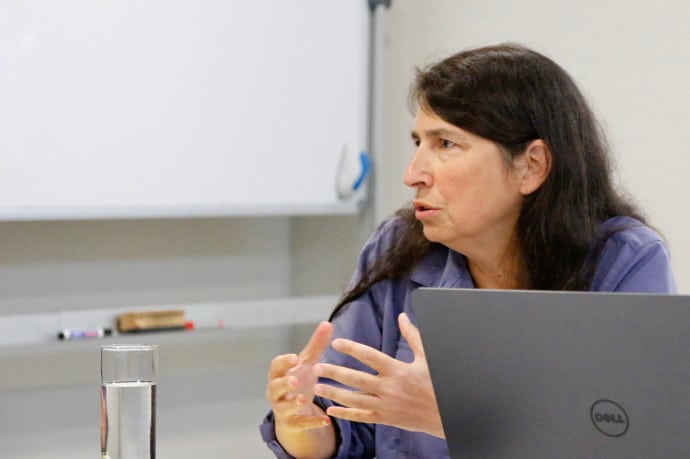
Gathering data on gender inequality from across the globe -Fellows’ seminar by Jody Heymann, Amy Raub and Aleta Sprague
Gender inequality remains pervasive around the world, costing the global economy trillions of dollars and denying half of humanity their full rights and equal opportunities, said Jody Heymann of the WORLD Policy Analysis Center, UCLA Fielding School of Public Health, University of California.