
Please note the new venue for the STIAS lectures
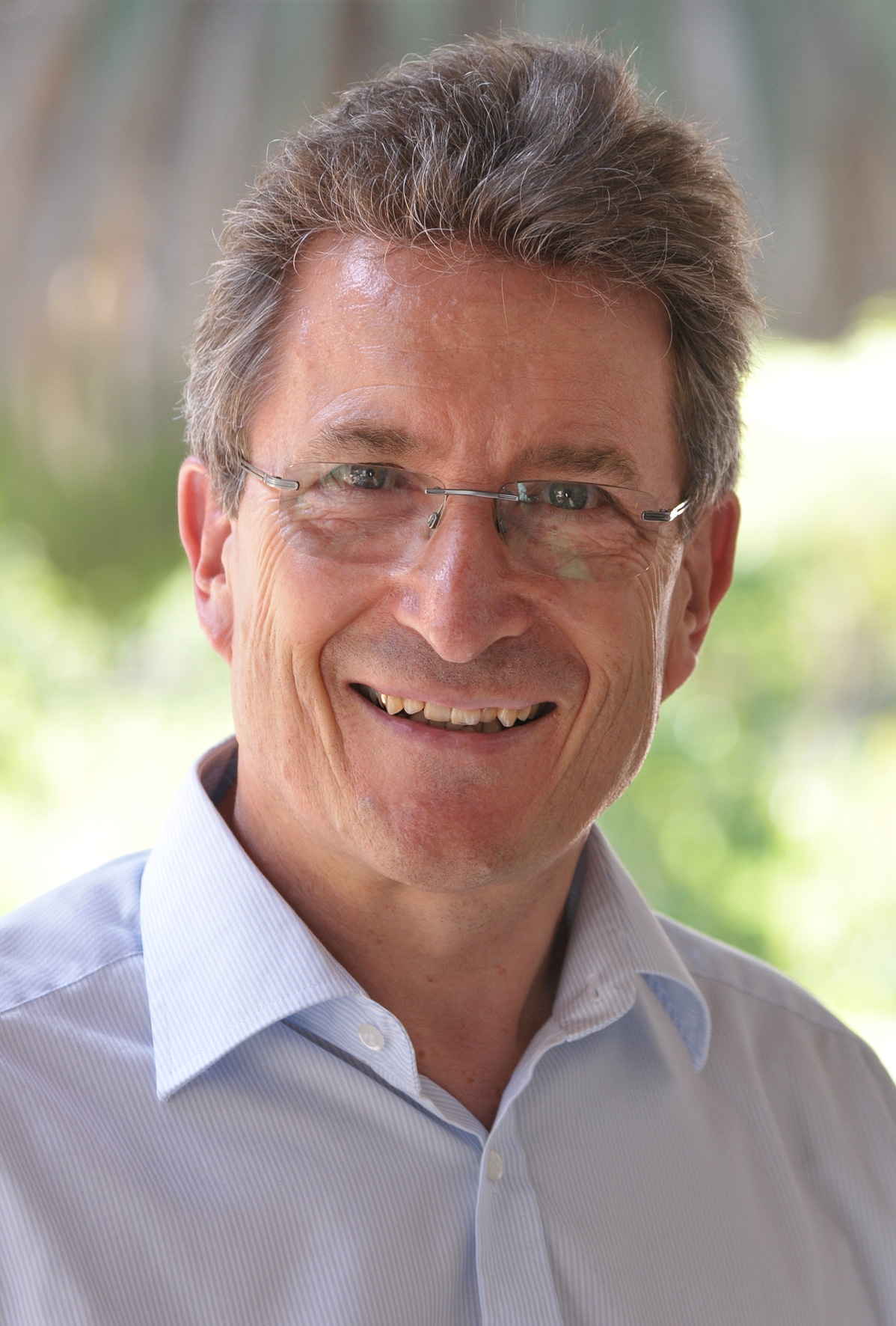
Professor Wolfgang Huber, Honorary Professor of Theological Ethics at the Universities of Berlin, Heidelberg
and Stellenbosch, and STIAS Fellow, will present a talk with the title:
Human Rights and Globalisation:
Are Human Rights a “Western” Concept or Universalistic Principles?
Abstract
Under the conditions of globalisation the rights of people are endangered and often violated in new forms and new dimensions. Human dignity and human rights can be seen as an instrument for a critical evaluation of such a situation. But that is not generally accepted. It is argued that they are rooted in a “Western” cultural concept. A deeper analysis shows that they do not simply result from philosophical and/or religious concepts but from the suffering of people under the violation of basic rights. The lack of rights gives evidence to those rights. Modern Human Rights are more and more acknowledged in a process of value generalisation and become specified step by step in their impact for the most vulnerable groups. But this value generalisation needs to be embedded in cultural traditions and basic convictions of populations all over the world. The universal character of Human Rights is therefore rather a task than a given certainty. Cosmopolitanism means to become a part of this process.
Wolfgang Huber is Honorary Professor at Humboldt University in Berlin and at the Universities of Heidelberg and Stellenbosch. He has been invited as Fellow of STIAS on a number of occasions. Following his academic career he served for more than fifteen years as Protestant Bishop of Berlin and as chairperson of the national Council of the Evangelical Church in Germany (EKD) until his retirement in 2009. Today his research concentrates on Bioethics, Business Ethics and Legal Ethics. His latest book Ethics. The basic questions of our life from birth to death (2013) will soon be published in English. In his writing and teaching he follows the concept of “public theology” and contributes to many public debates in his country and internationally.
Wolfgang Huber is a member of the German Ethics Council and serves as board member of the Wittenberg Center for Global Ethics and the Institute for Advanced Sustainability Studies, Potsdam.